The Rogue River: A Ribbon of Life American Rivers is Protecting
Author
Lindsey Davis
Category
Conservation
Read time
5 min
Last updated
Feb 18, 2026
A proposed rollback of the Roadless Rule threatens habitat along Oregon's Rogue River, one of the West's richest salmon runs.
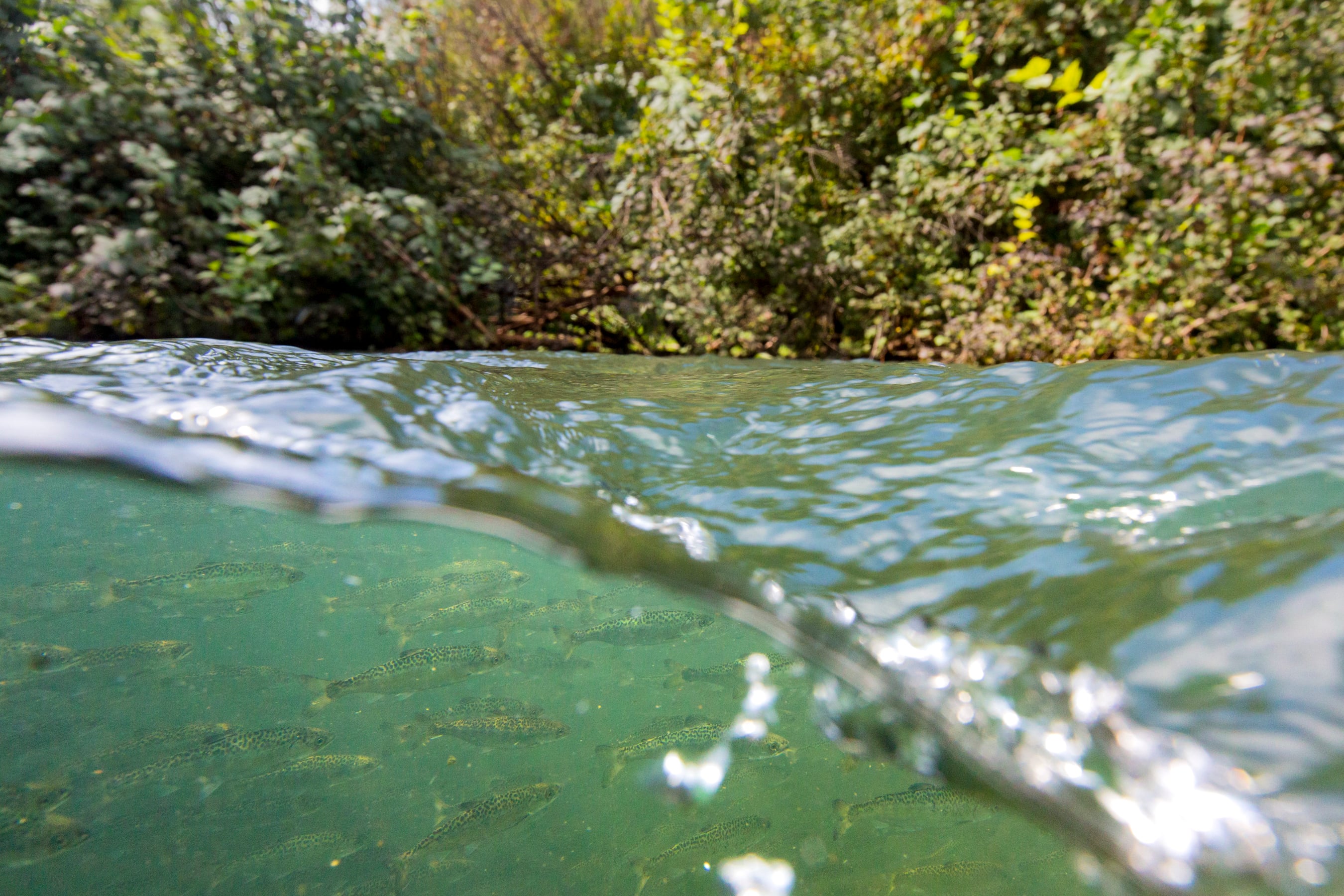
Image provided by Jason Jaacks Visuals and Resources Legacy Fund
High in the Cascade Range of southwest Oregon, a cold spring emerges just west of Crater Lake National Park. Here, the Rogue River begins a 215-mile journey, carving through ancient volcanic rock, through the Klamath and Siskiyou Mountains, ultimately reaching the Pacific Ocean.
The Rogue River watershed spans more than 5,100 square miles — roughly the size of Connecticut — and supports one of the most ecologically rich landscapes in the American West. Recognized for its ecological, recreational, and economic importance, the Rogue was designated as one of the nation’s first Wild and Scenic Rivers in 1968.
It’s easy to understand why. The Rogue supports the second-largest salmon run in the contiguous United States — nearly 100,000 fish return here annually — surpassed only by the Columbia River, whose watershed is 50 times larger. Salmon fishing, hunting, rafting, and outdoor recreation on the Rogue contribute more than $30 million each year to local communities across southwest Oregon. Together with its main tributary, the Illinois River, the Rogue anchors a biodiversity hotspot, supporting salmon, steelhead, cutthroat trout.
This is a river system that quite literally sustains life, human and wild alike.
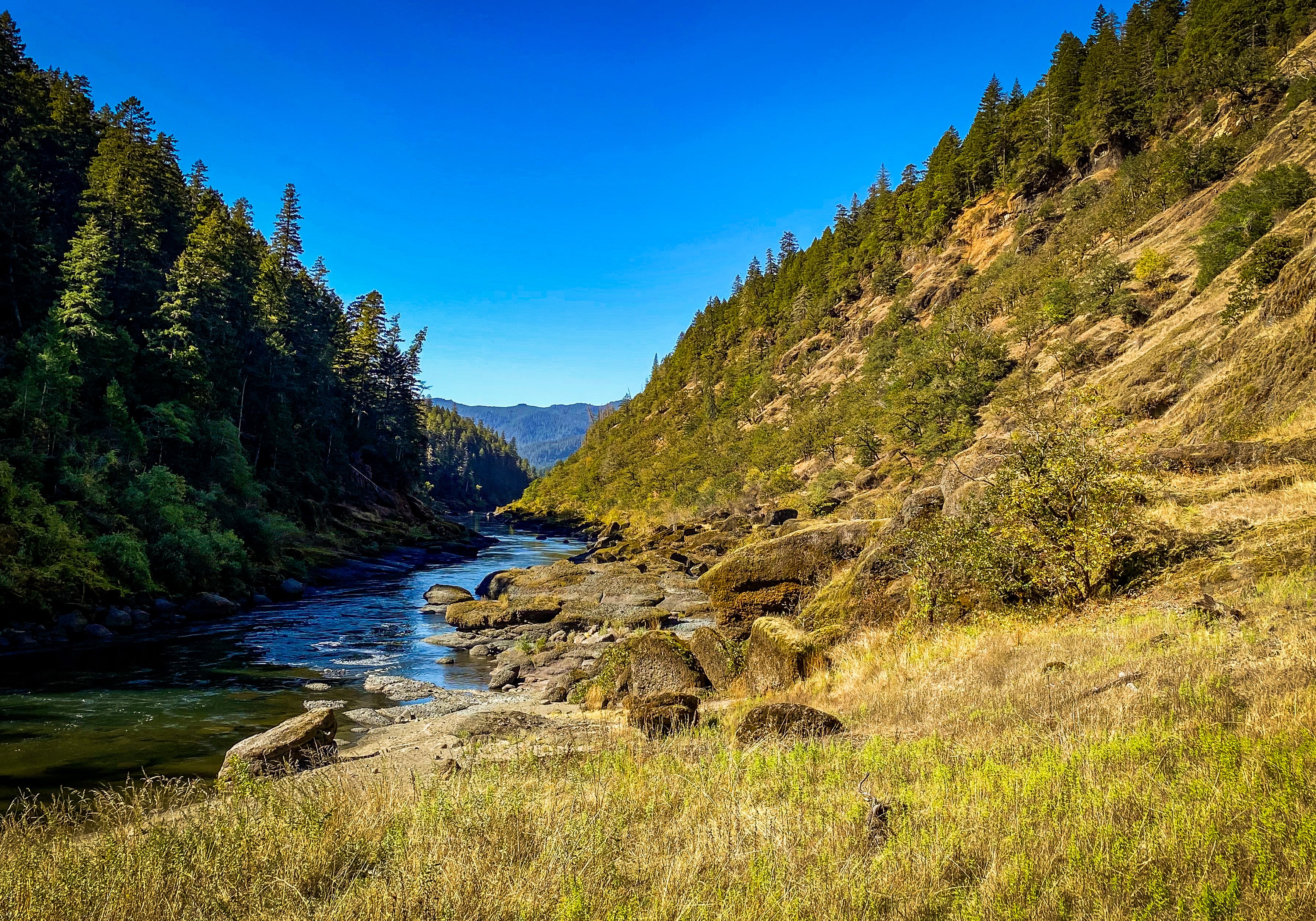
Photo by Sinjin Eberle
Growing Threats to a Wild River
Despite their importance, the Rogue and Illinois rivers, and the fisheries they support, face mounting threats from logging, mining, road-building, and increased wildfire risk.
At the center of this threat is a proposed rollback of long-standing protections under what is known as the federal “Roadless Rule.” For more than two decades, the Roadless Rule has prohibited new roads and commercial logging in certain high value areas without roads on National Forests that provide clean water, intact wildlife habitat, and resilient forests. These roadless areas are located in 39 U.S. states, including Oregon and in some of the most valuable parts of the Rogue River watershed.
A rollback of these protections would be bad for rivers and terrible for salmon and trout. That’s because it could remove safeguards for more than 200,000 acres of land that are critical sources of clean water and refuge for fish and wildlife. Roads fragment forests, pollute streams with sediment, and are the primary pathway for catastrophic wildfires. Across the country, over 90 percent of wildfires start within a half-mile of a road, and fires are four times more likely to ignite in roaded areas than in intact roadless forests.
For the precious Rogue River, the consequences are clear: degraded water quality, higher water temperatures, damaged salmon habitat, and increased fire risk throughout the watershed would become the norm.

Photo by Bob Wick
Why Roadless Areas Matter
Across the National Forests nationwide we have built 380,000 miles of roads which is eight times the length of all U.S. interstates combined. These roads are valuable for public access, timber harvest, and outdoor recreation, but we must also balance the development of our forests and construction of roads by retaining the values provided by areas without roads.
Roadless areas are some of the most effective natural infrastructure we have. Nationally, they protect roughly 91,000 miles of rivers and safeguard drinking water supplies for 21 million Americans. These forests naturally filter water , reduce erosion, moderate floods, and provide resilient habitat in a changing climate, all without the cost of built infrastructure.
Public lands are our country’s largest clean-water provider. National Forests alone supply drinking water to 60 million people. Clean water from roadless forests, in particular, is less expensive to deliver. That’s because dirty water costs more for water utilities to filter, and they pass those costs on to rate payers. When these lands are damaged, communities downstream pay the price—economically, ecologically, and socially.
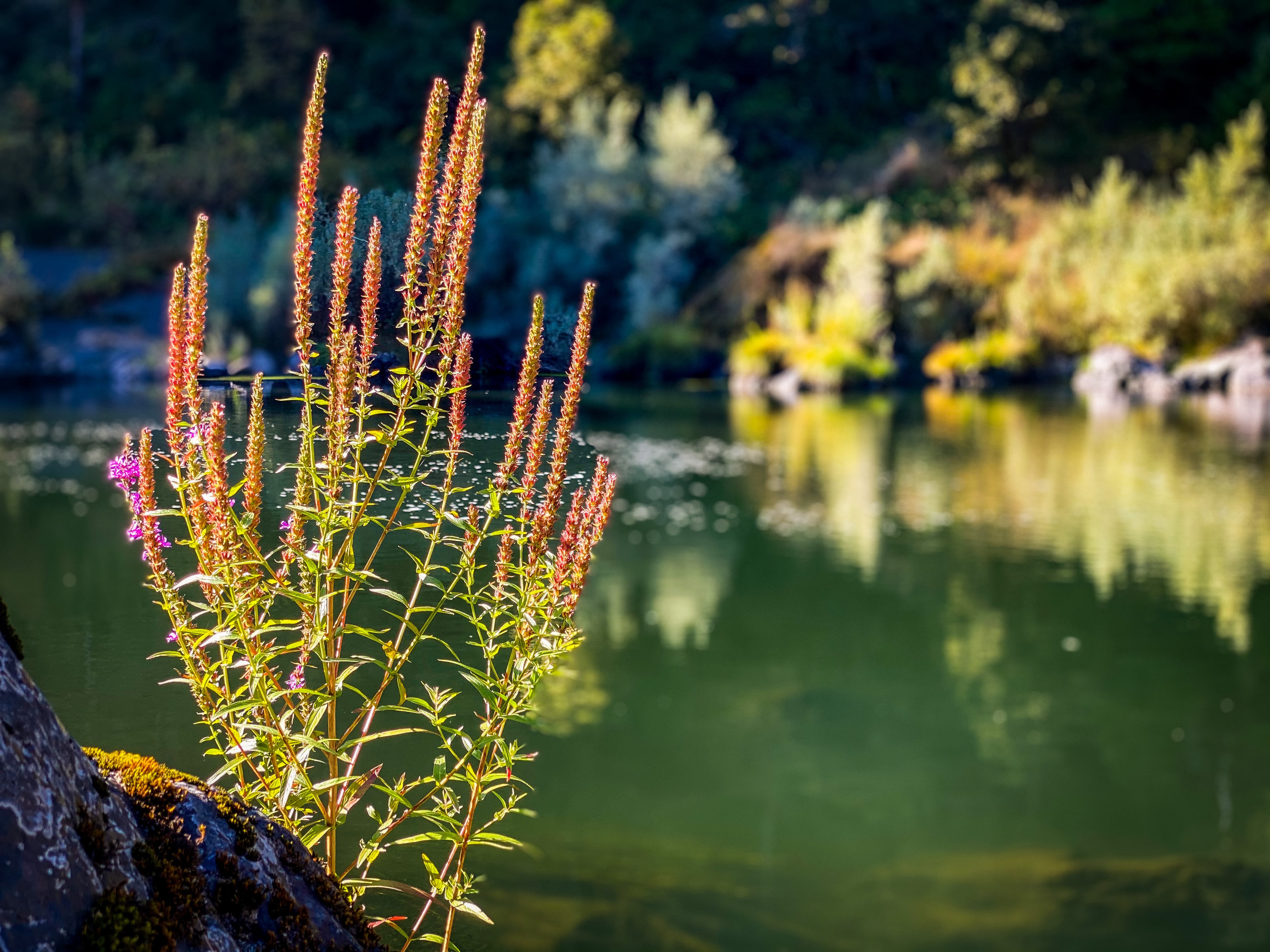
Photo by Sinjin Eberle
Standing Up for Rivers with American Rivers
American Rivers is a national conservation organization working to make every river clean and healthy for people and wildlife. Healthy rivers are ribbons of life. They provide drinking water, sustain fish and wildlife, support recreation, and anchor local economies. Founded in 1973 by a group of anglers and boaters, American Rivers has been working to protect wild rivers and great fishing for over 50 years. Recently in the Rogue River watershed they spearheaded the effort to establish a 20-year mineral withdrawal to help thwart nickel strip-mining from a foreign-owned mining conglomerate. They also led an effort with partners to permanently protect over 120 miles of essential cold-water salmon, trout, and steelhead habitat in tributaries of the lower Rogue by establishing them as Wild and Scenic .
Yet rivers across the country face unprecedented pressure from pollution, risky development, and increasingly extreme weather. Freshwater species are disappearing at twice the rate of land or ocean species. Scientists warn that protecting remaining intact landscapes is essential to preserving rivers and fishing for future generations.
SITKA has partnered with American Rivers to support their ambitious goal to protect 1 million miles of free-flowing rivers in the U.S. by 2030 . That includes safeguarding the nation’s healthiest rivers on public lands and waters. Central to this work is retaining existing protections and supporting bipartisan efforts to protect rivers in Montana, Florida, New Mexico, and Oregon.
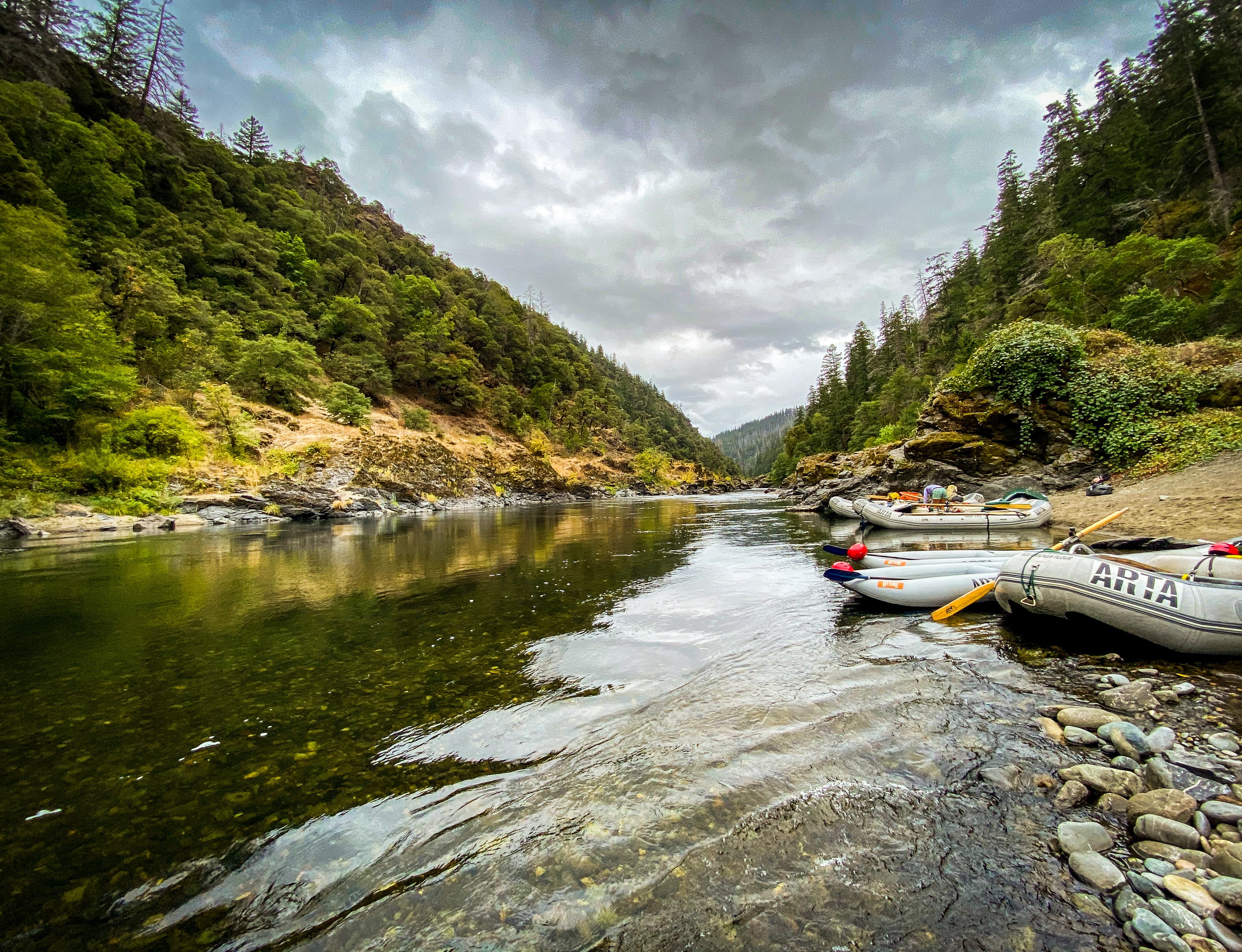
Photo by Sinjin Eberle
A Future Worth Protecting
The Rogue River is more than a river. It is a living system that supports salmon runs, clean drinking water, outdoor economies, and a way of life rooted in wild places. Protecting it is not just an environmental imperative, it’s a commitment to the communities, cultures, and future generations who depend on healthy rivers.
To learn more, check out the work of American Rivers here.
Article Contents

Stay Connected
Join our community.
Get the latest gear innovations, SITKA films, expert insights, and more delivered to your inbox.
By providing your email and clicking "Sign Up", you agree to receive marketing emails from SITKA GEAR. You can unsubscribe at any time by clicking the link in any email. For more details, see our Privacy Notice and Terms & Conditions