When the Tides Shape a Movement: Everglades Restoration and the Captains for Clean Water
Category
Conservation
Read time
6 min
Last updated
Mar 10, 2026
A 2016 algae crisis turned Florida fishing guide Chris Wittman into a clean-water activist. Hear how it started.

On Florida’s Gulf Coast, water isn’t scenery — it’s an identity. For those who grew up poling quiet flats at sunrise or watching a tarpon roll in the distance, the tides shape more than the shoreline; they shape a way of life. But when those same waters turn toxic, when estuaries falter and families question whether it’s safe to be in the water, something deeper than a fishing season is at risk. We sat down with Captain Chris Wittman, Co-founder of Captains for Clean Water to understand how what began as frustration at the dock became a movement — one built not by career activists, but by guides who understood that protecting clean water isn’t political, it’s personal.
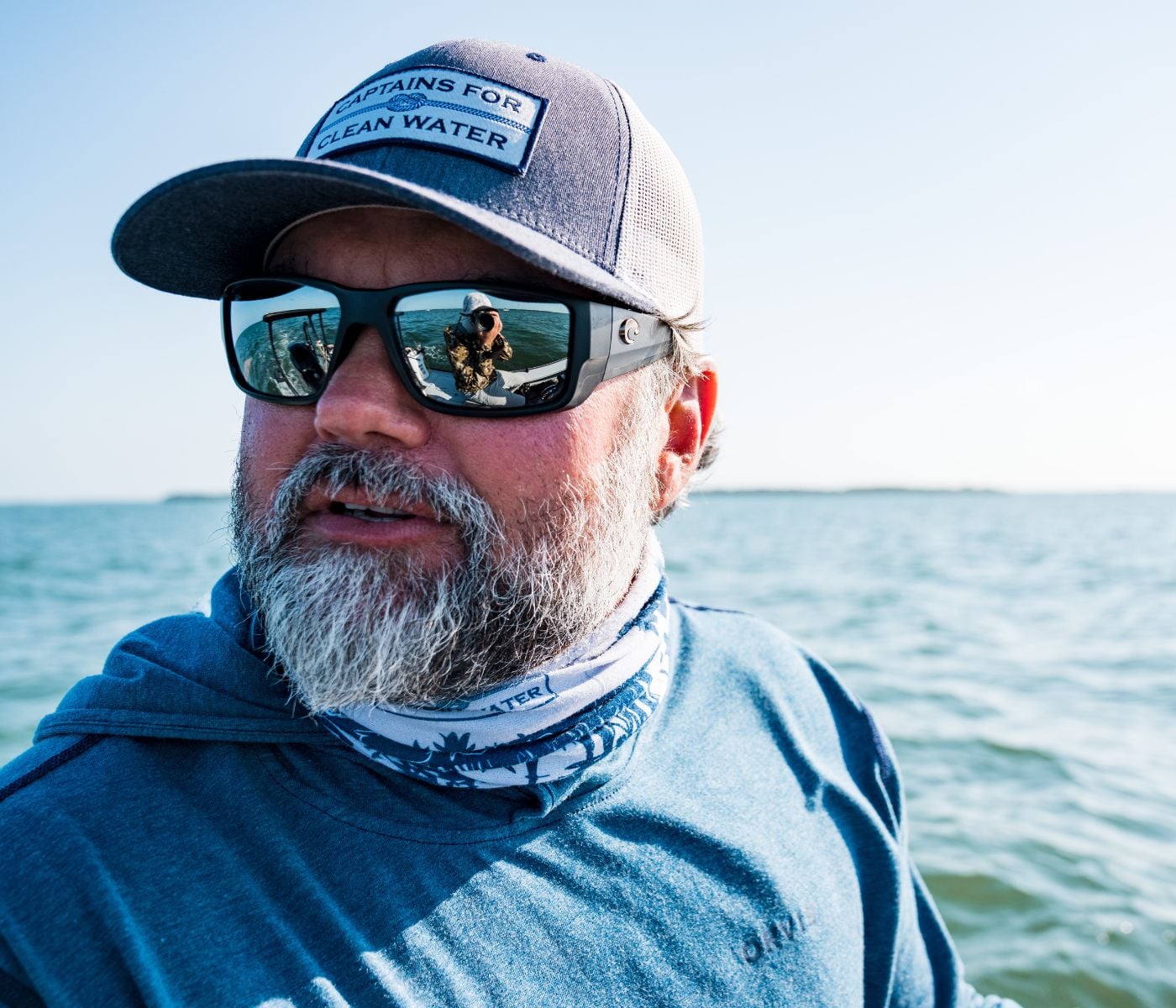
How did you first get connected to the water — fishing, guiding, boating, etc.?
I grew up on a small island off the West Coast of Florida called Sanibel. Water wasn’t just recreation, it was my life, surfing, spearfishing and fishing. The water is where I connected with friends and family and found peace in troubled times.
Guiding came naturally, I wanted to make a living doing what I loved, sharing those experiences with people. There’s nothing like watching someone hook their first tarpon or pole across a flat at sunrise.
At what point did you realize that water-quality issues were bigger than just a bad fishing season?
At first, you always tell yourself it’s cyclical. “Tough year.” “Weird weather.” “It’ll bounce back.”
But when you start seeing the same problems year after year, massive discharges, toxic algae, dying estuaries, you realize this isn’t bad luck. It’s systemic. When clients are asking if it’s safe to put their kids in the water, that’s not a slow season, that’s a crisis.
The moment it hit me was when the water stopped being unpredictable and started being consistently broken.
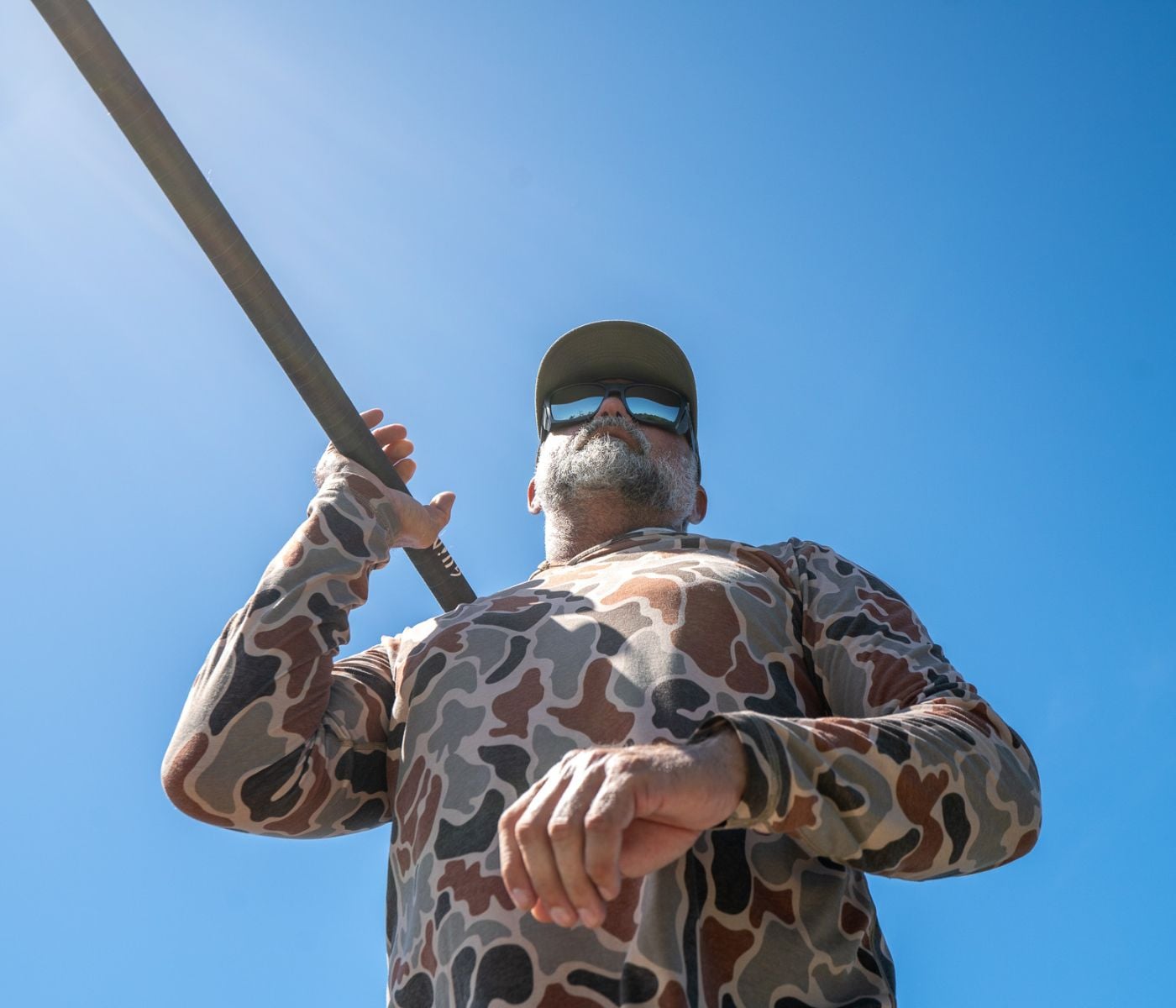
Was there a specific moment or event that pushed you to co-found Captains for Clean Water?
The 2016 toxic algae crisis was the tipping point. Watching communities from the St. Lucie River to the Caloosahatchee River covered in toxic algae, businesses shutting down, guides canceling trips, families afraid to go to the beach, that was it.
A few of us realized complaining at the dock wasn’t going to fix it. We either organized, or we watched it continue. The water wasn’t just our livelihood it was our responsibility.
That’s how Captains For Clean Water started. Not as activists, but as fishing guides who refused to stay quiet.
What was the earliest reaction from fellow guides when you began pushing for water-quality advocacy?
Mixed.
Some were all in immediately. They were feeling the same frustration and just needed direction. Others were hesitant. A lot of guides don’t want to be seen as political. They just want to fish.
But what shifted minds was this: clean water isn’t partisan. It’s practical. When your business depends on it, it stops being political and starts being survival.
Over time, more and more guides realized that staying silent was actually the riskier choice.
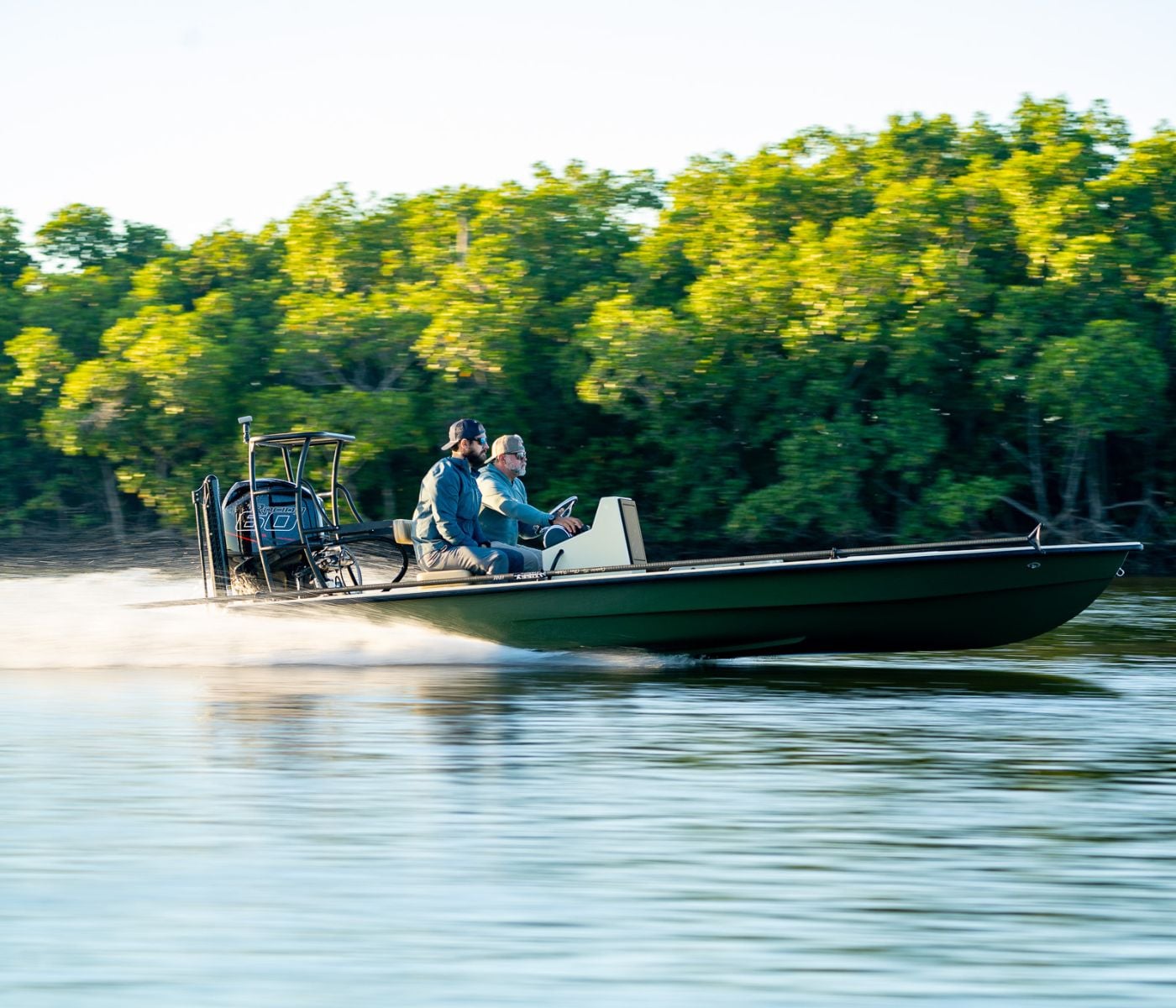
How has the fishing community’s role evolved in environmental advocacy over the last few years?
It’s matured. It’s more informed. It’s more strategic.
We’ve gone from reactive outrage during algae blooms to year-round engagement in policy and funding conversations. Anglers are paying attention to water management schedules, infrastructure projects, and restoration timelines. That wasn’t common ten years ago.
The community understands now that if we’re not at the table, we’re on the menu.
You’re a hunter and an angler – how do you see the mission reaching both groups?
Water connects both worlds.
As a hunter, you depend on functioning wetlands and healthy habitat. As an angler, you depend on clean estuaries and balanced ecosystems. The issues impacting fisheries are the same ones impacting waterfowl, deer and turkey habitat, and the broader Everglades system.
Being both gives me perspective, conservation isn’t species-specific, it’s system wide. When the Everglades functions the way, it was designed to, everybody wins.
Restoration of the Everglades isn’t just a fishing issue. It’s a habitat issue.
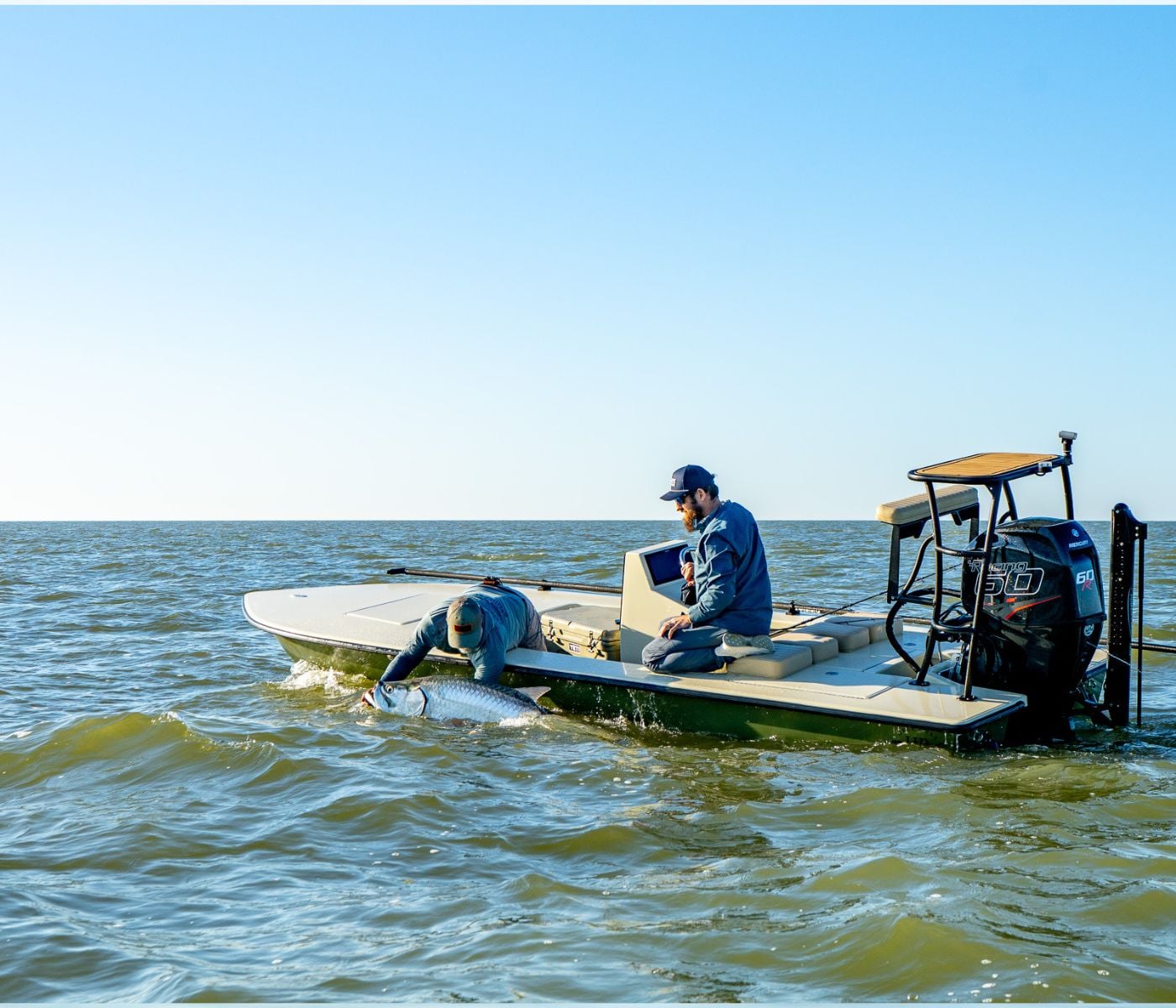
How do you balance scientific data with local community experiences when advocating for change?
You need both.
Science gives you credibility and direction. It tells you what works and what doesn’t. But community experience gives urgency, it gives human context.
When you combine hard data with a fishing guide explaining how many trips he had to cancel, that’s powerful. When a scientist explains salinity levels and a mother explains why her kids can’t swim in the river, and a business owner speaks of the economic impact, that’s when policymakers pay attention.
Facts matter and stories move people.
What’s a story that has stuck with you?
A local guide once told me he felt like he was watching his inheritance disappear in front of his kids.
That hit hard. Because that’s what this is. It’s inheritance. Not money, but opportunity.
We’re not fighting for nostalgia. We’re fighting for continuity.
How can everyday anglers, boaters, and outdoor lovers get involved meaningfully?
Stay informed beyond bloom season.
Engage in water policy conversations. Show up to meetings. Support restoration funding. Hold elected officials accountable regardless of party. And support organizations doing long-term work, not just reacting to crises.
Most importantly, don’t underestimate your voice. Lawmakers hear from lobbyists every day, when they hear from constituents who show up, it changes the calculus.
What’s next for Captains for Clean Water — especially as water policy evolves?
Implementation and accountability.
Historic funding for Everglades restoration is one thing. Making sure projects are built correctly and operate as intended is another. We’re focused on ensuring science-driven solutions stay on track and aren’t derailed by politics or special interests.
Water policy will continue to evolve, and so will we. Our role is to remain steady, informed, and relentless.
What has this advocacy work taught you about people and community that you didn’t know before?
People will rise to the occasion when they feel ownership.
I’ve seen fishing guides who never thought they’d speak at a public meeting command a room. I’ve seen small business owners become policy experts. I’ve seen communities divided by politics unite over water.
Underneath it all, most people want the same thing: clean water, healthy habitat, and a future they can be proud to pass down.
Is there anything else you’d like to mention?
Conservation isn’t a one-time action, it’s a commitment.
This isn’t about one algae bloom or one bill or one funding cycle. It’s about protecting the foundation of our outdoor culture and partnerships with brands like Sitka matter, because when the outdoor industry stands behind conservation, it reinforces that protecting wild places isn’t optional.
Learn more about Captains for Clean Water here. (https://captainsforcleanwater.org/our-fight/)

Stay Connected
Join our community.
Get the latest gear innovations, SITKA films, expert insights, and more delivered to your inbox.
By providing your email and clicking "Sign Up", you agree to receive marketing emails from SITKA GEAR. You can unsubscribe at any time by clicking the link in any email. For more details, see our Privacy Notice and Terms & Conditions