Waterfowl Conservation & Management: Five Oaks' Investment
Category
Conservation
Read time
5 min
Last updated
Jun 1, 2026
Only two of eighteen grad students had ever worn waders. See how Five Oaks is closing that gap in the Mississippi Delta.
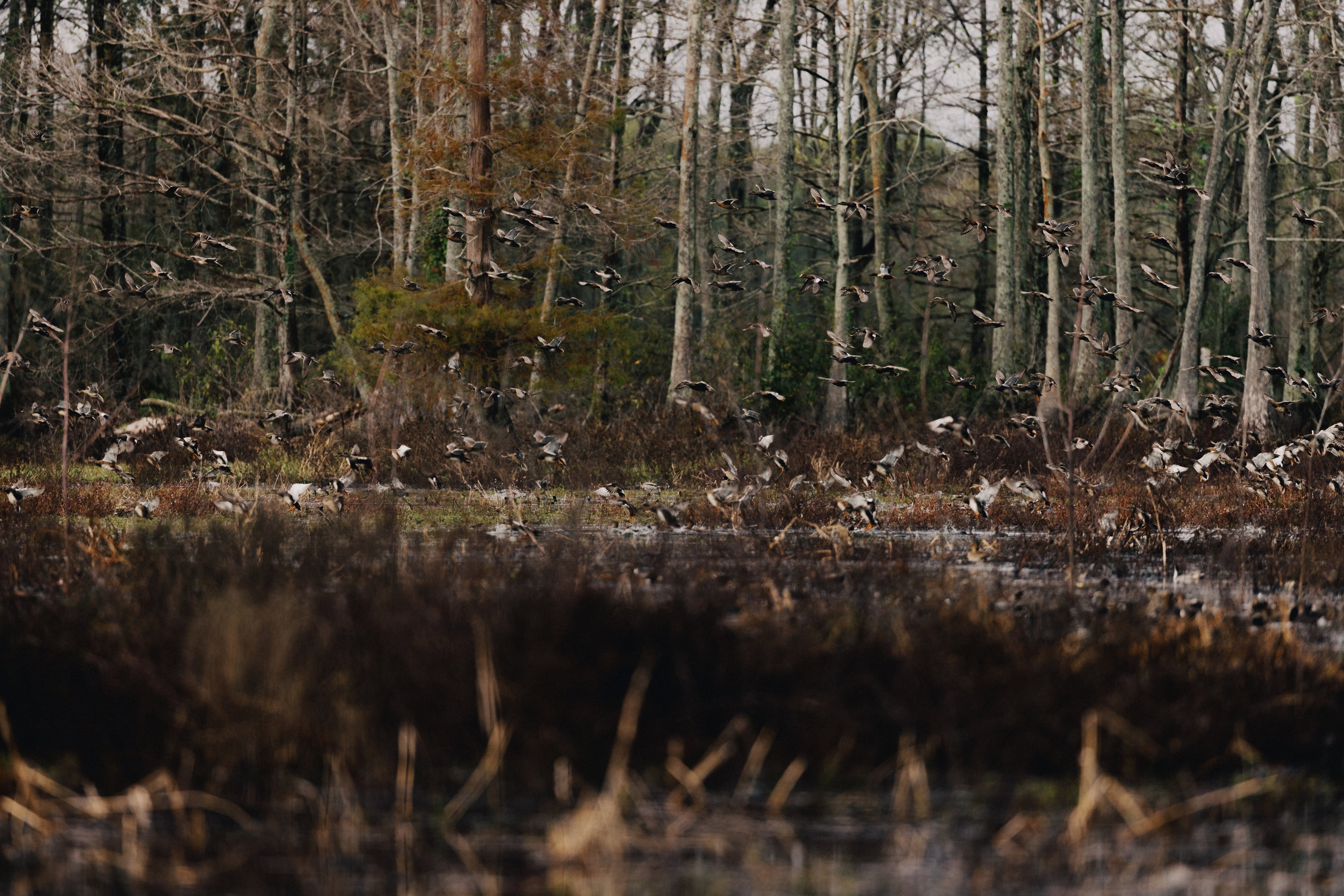
Once shaped by a dynamic system of rivers and their currents, the working lands of the Lower Mississippi Alluvial Valley have become the ideal setting for developing the next generation of conservation leaders. The valley not only serves as a mecca for ducks along the Mississippi Flyway, but the region reflects both the success and challenges that come with conservation.
For decades, the productive lands have provided for waterfowl, but continuous expansion has reduced the resilience of the region. The birds that return each winter serve as a reminder of the connection between ecosystems, working lands, and conservation stewardship.
At the Five Oaks Agriculture Research and Education Center, Ryan Askren is helping shape future conservation leaders through hands-on waterfowl conservation management, investing in a legacy focused on sustaining both wild skies and the working lands beneath them.
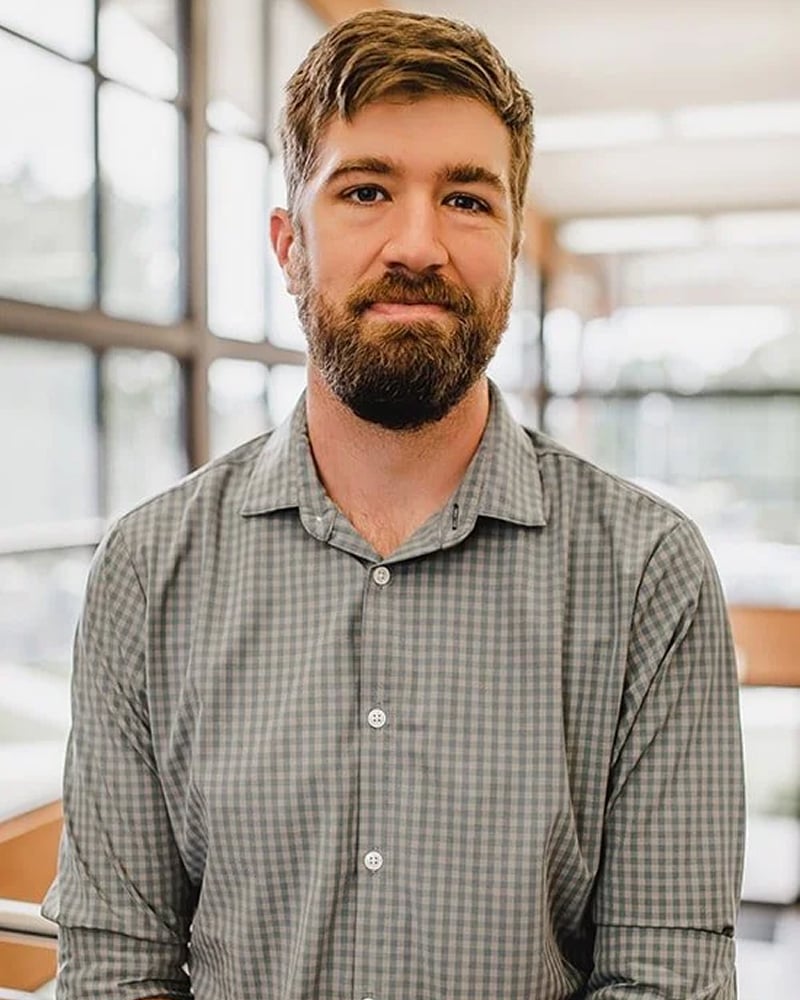
Meet Ryan From Five Oaks
At Five Oaks, Ryan Askren is helping shape the future of waterfowl conservation—where science meets stewardship on working lands.
With a background in wildlife ecology, forestry, and environmental science, Ryan’s work is rooted in understanding how ducks and geese respond to the landscapes they depend on. His research uses tools like satellite telemetry to track movement, behavior, and habitat relationships—but his impact goes beyond data.
At Five Oaks, Ryan brings conservation to life. He’s focused on giving students real, hands-on experience—building the skills, instincts, and perspective needed to manage waterfowl habitat in the real world. It’s not just about learning ecosystems; it’s about understanding the land, the people who steward it, and the role both play in sustaining wild places.
Through this approach, Ryan is helping develop a new generation of conservation leaders ready to keep wildlife—and working lands—thriving for years to come.
Why Waterfowl Habitat Management Matters More Than Ever
Ryan spoke to us about bridging the gap between academic training and applied practice in the conservation space.
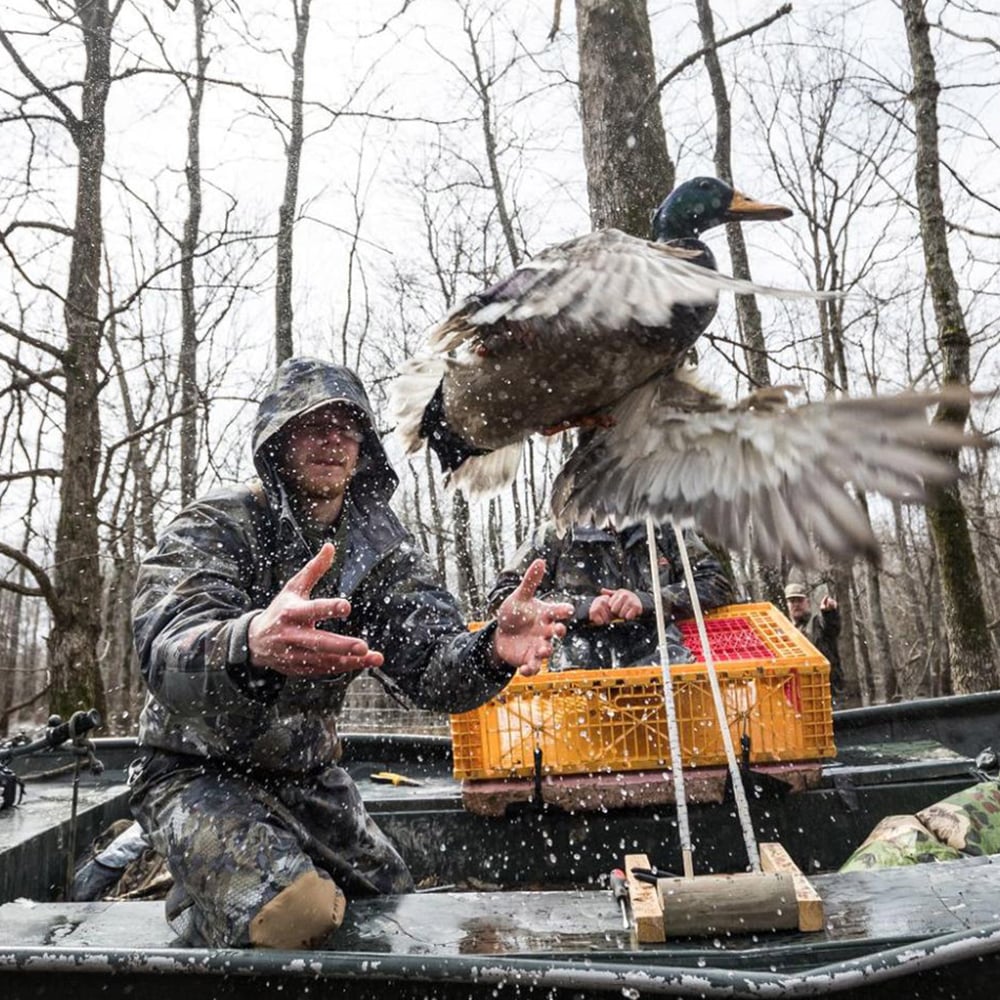
“When I was teaching a wetland bird ecology course as a doctoral student in Illinois, I had about eighteen junior and senior level students. One day we were talking about how to band and study ducks, and a student asked me what waders were. Then I asked the class, “who's gotten the chance to wear waders before?” Only two students out of the eighteen raised their hands.
“And it’s not just that some conservation students don’t understand the practice of waterfowl management, but there is also a lack of understanding of people in the working landscape. We saw a need for taking students out of undergrad to help them understand rural communities, and grasp the framework of conservation through use.”
Waterfowl Projects in the Five Oaks Graduate Certificate Program
On the research side, the Program is highlighting red oak regeneration in the valley.
“Changes in hydrology from the landscape being drained over time has depleted the red oak population. We knew that introducing red oaks back to the valley was critical for providing food value for waterfowl to want to continue to winter in the area.”
It’s active management projects like these that keep the birds in the sky.
A Typical Day for Students is Diverse
The Five Oaks program really focuses on prioritizing building the students’ on-the-ground management skills, and minimizing how much time the students spend in a classroom.
“We start our days outlining plans, but no two days ever look the same in waterfowl management. Responding to what the birds demand that day shapes the work ahead of us.”
Does Hunting Cause Waterfowl Population Decline?
According to Ryan, there's always a huge push to blame hunters for declining waterfowl numbers. There’s a misunderstanding of how hunting impacts waterfowl populations.
“We have great data and scientific evidence that habitat is the driver of waterfowl populations. The Mississippi Alluvial Valley and nearby areas serve as wintering grounds for waterfowl before spring flight. But the landscape is changing and it’s pushing habitat loss. That’s where we need to be focused.”
How Wetland Science Shapes Waterfowl Conservation
“We try to take students that love the outdoors and give them an ecosystem-focused perspective on how to manage these systems.
If we’re managing the ecosystem well for waterfowl, then we’re benefitting everything else in the wetland. The program prioritizes thinking about what should occur naturally in the system and the conditions it takes to facilitate that.”
For Ryan, the biggest component of the Five Oaks Graduate Certificate Program is giving the next generation of conservation leaders a holistic view on management.
“Collaboration and forming a network. These students need to be working with others to be successful in this arena. You can't do these things in a silo and expect it to make a difference on the landscape.”
How Local Communities Can Support Waterfowl Conservation
“Local landowners play a huge role in our success by letting us out onto their properties and sharing not only what they’re doing for habitat management, but why they’re doing it.
Everyone does things differently, whether it’s because of their different values or just because of the tools they have. These people know the land best.
Being able to spend time with folks around these communities to learn how they approach managing waterfowl habitat is crucial to our students' development as land stewards.”
Where Five Oaks Graduates Are Making an Impact
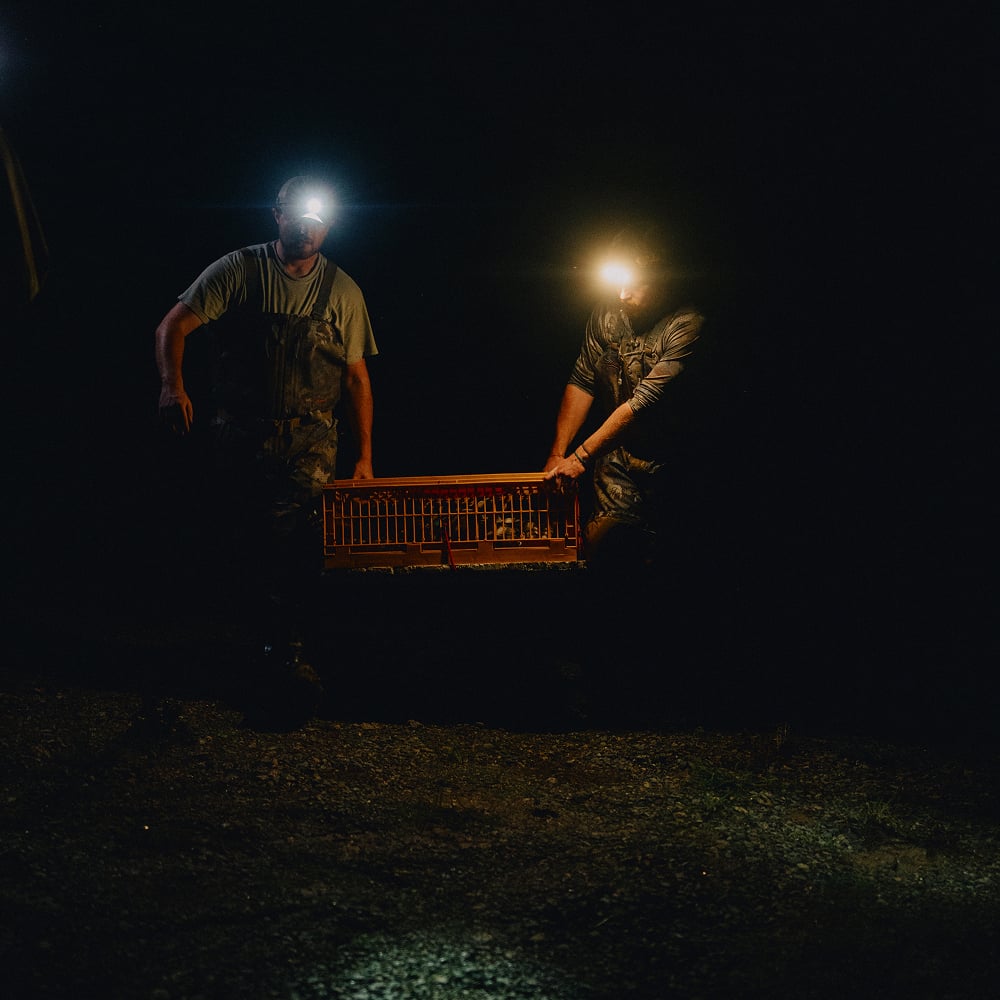
“We have students working across the U.S. doing great things for people like Ducks Unlimited, Fish and Wildlife Service, state agencies, and of course private landowners. They're making real impacts on the ground.”
The Five Oaks Graduate Certificate Program reflects a commitment to preparing conservation leaders who understand that sustaining waterfowl depends on managing the connection between working lands, wetland ecosystems, and the communities that steward them.
To learn more about the wild skies above, visit Five Oaks AG Research and Education Centre.
Sources and Further Reading
Article Contents

Stay Connected
Join our community.
Get the latest gear innovations, SITKA films, expert insights, and more delivered to your inbox.
By providing your email and clicking "Sign Up", you agree to receive marketing emails from SITKA GEAR. You can unsubscribe at any time by clicking the link in any email. For more details, see our Privacy Notice and Terms & Conditions