Whitetail Hunting Tips: Don't Sweat Before the Sit
Category
Tips & Tactics
Read time
9 min
Last updated
Sep 29, 2026
Beau Martonik's #1 whitetail hunting tip: how to layer so you don't sweat before reaching the stand, and several more whitetail hunting tips.

SITKA Ambassador and hunter Beau Martonik breaks down his No. 1 whitetail hunting tip: how to layer properly so you don't break a sweat on the walk to your stand. It sounds simple, but overheating on the walk in can make it harder to stay warm once you're settled in for the sit.
“When you get out of the truck, you should feel a little bit chilled as you're getting ready to walk in, and that's okay. You want to be able to breathe on the walk in, not overheat.” - Beau
Below, we break down Beau's layering system in full, along with a complete set of whitetail deer hunting tips for the situations that matter most: morning sits, the rut, late season, public land pressure, mountain terrain, wet weather, ground hunting, and bow season.
Key takeaways:
Feel slightly cold at the truck, not warm. The best whitetail hunting tip for staying warm all day is to underdress for the walk in. If you're comfortable standing at the trailhead, you'll likely overheat before you reach the stand.
Sweat is a scent problem, not just a comfort problem. Overheating on the hike increases odor, which will alert whitetail before you're ever in position.
Layer in stages. Have a hiking layer and a sitting layer(s). Wear a lightweight base layer and bottoms for the walk-in, and save insulated outerwear for once you're settled in the stand.
Adjust your whitetail hunting system for the situation, not just the temperature. Morning sits, the rut, late season, public land, mountain terrain, rain, and ground hunting each call for different layering and stealth tactics.
Preparation beats any single deer hunting tip. Testing your whitetail hunting gear beforehand and understanding deer anatomy and behavior matters more than any one trick for a successful, ethical hunt.
How To Keep Cool Enough Before The Stand & Why This Works
Beau explains, “We make a lot of really warm gear, but it's not necessarily meant to be hiked into a stand that's two miles deep on public land, or even a couple hundred yards into a private blind.” That’s because truly warm gear insulates your body and traps heat, which means once you sit down you’ll still be generating heat and sweat. Staying cool and minimizing sweat can also help manage odor, which is another important part of staying concealed from a deer’s keen senses.
The Layering System For Not Sweating On The Walk In
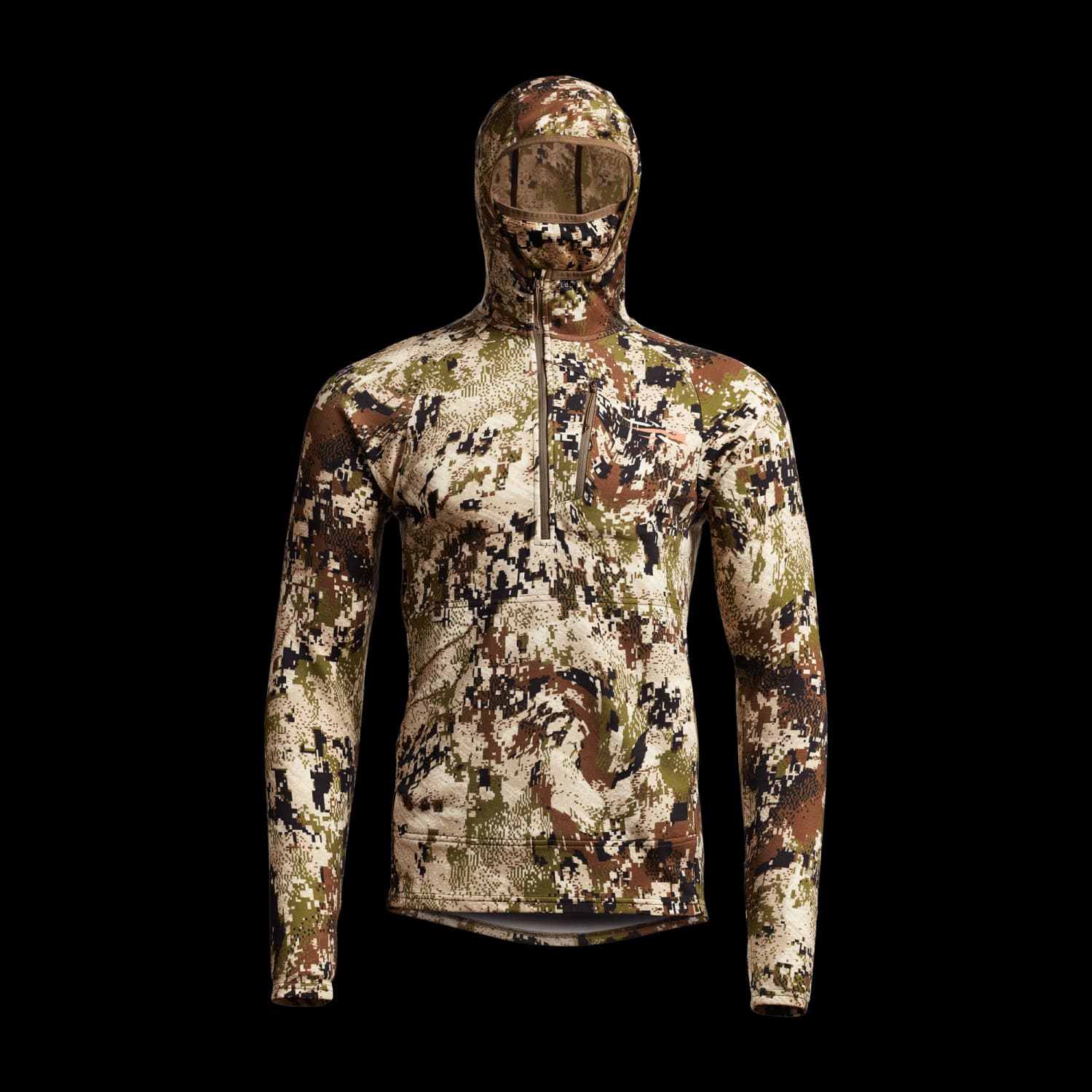
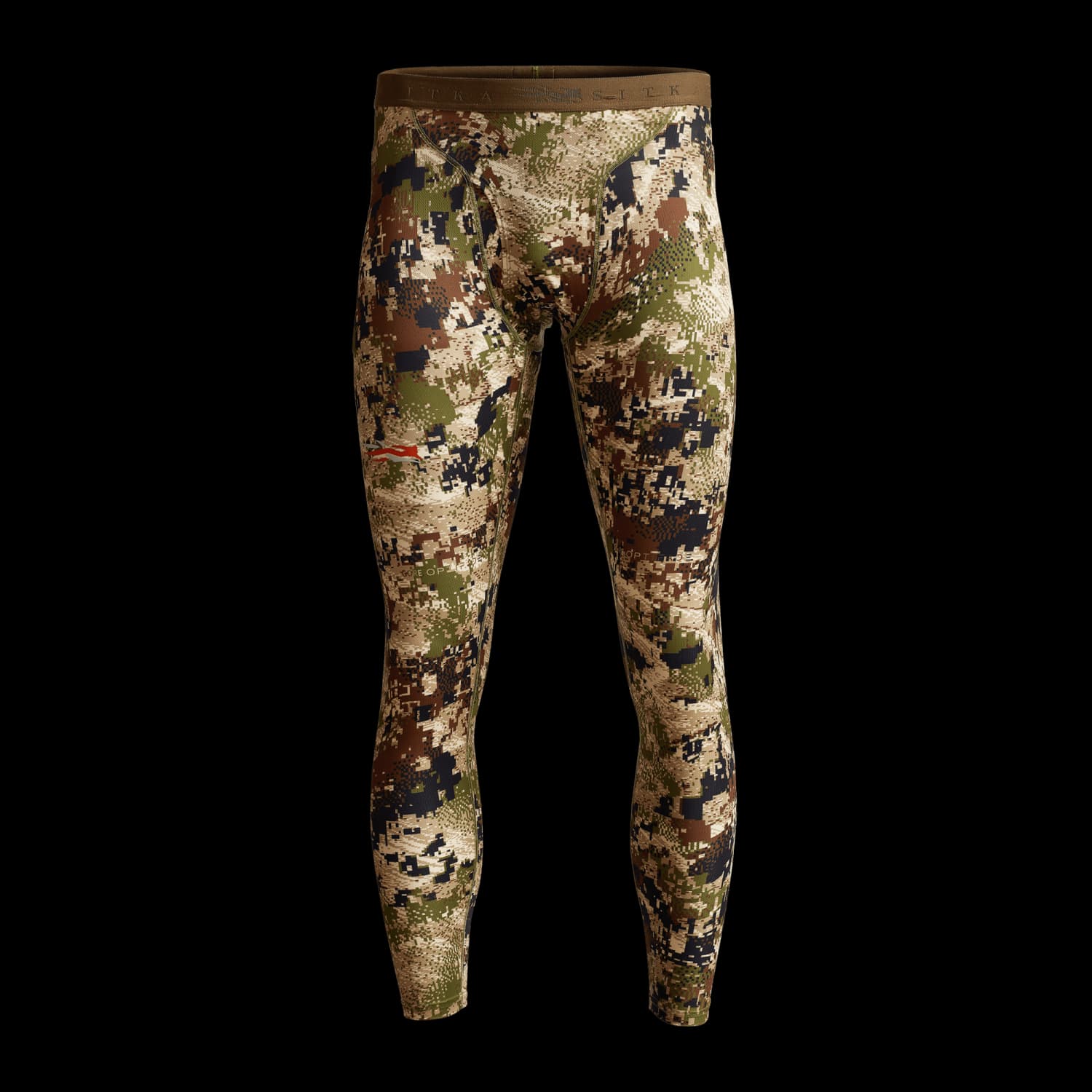
Walk in a lightweight baselayer, like the Core Merino Hoodie, and lightweight bottoms, even when it's cold out.
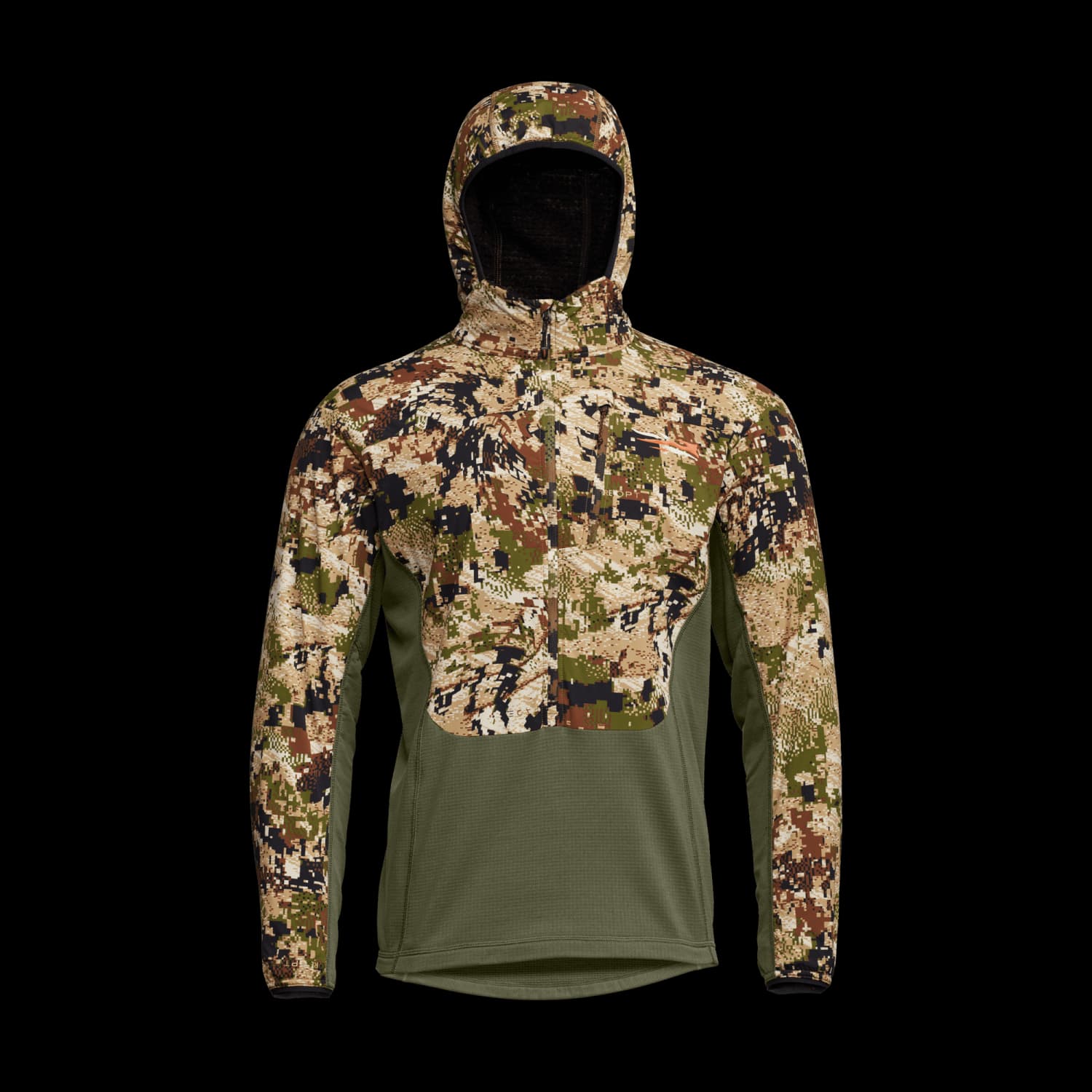
For colder late-season sits, add an active insulation layer, like the Ambient Hoodie, for the walk-in. Still, be careful not to overdress for the hike. At the tree, once you're in position, add your outerwear pieces to trap heat and stay warm for the whole sit.
More Whitetail Hunting Tips For Every Situation
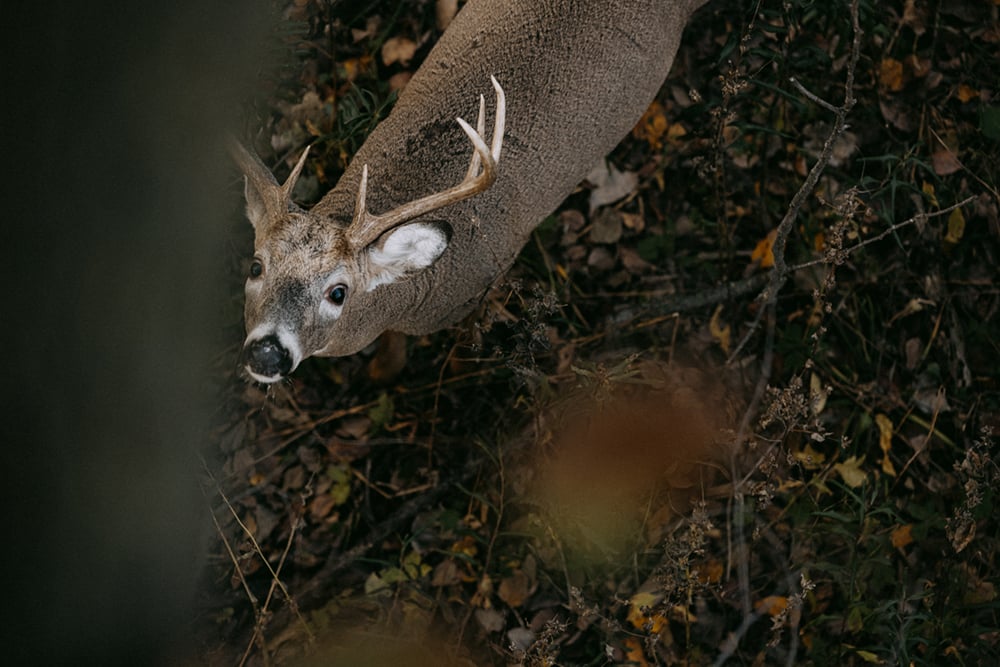
The layering system above solves one problem. But every whitetail sit brings its own variables: time of day, time of season, pressure, terrain, and weather. Here are more whitetail hunting tips and tricks for the field.
Morning Whitetail Hunting
The important thing to remember when walking in dawn’s early light is that it will warm up with each passing minute of sunshine. Don’t rush these quiet moments, as they are your best chance to move undetected. Lower light and active concealment camo help hide you from deer. Getting to the stand while it’s still cold also gives you a better chance to settle in before whitetail begin moving for their morning feed.
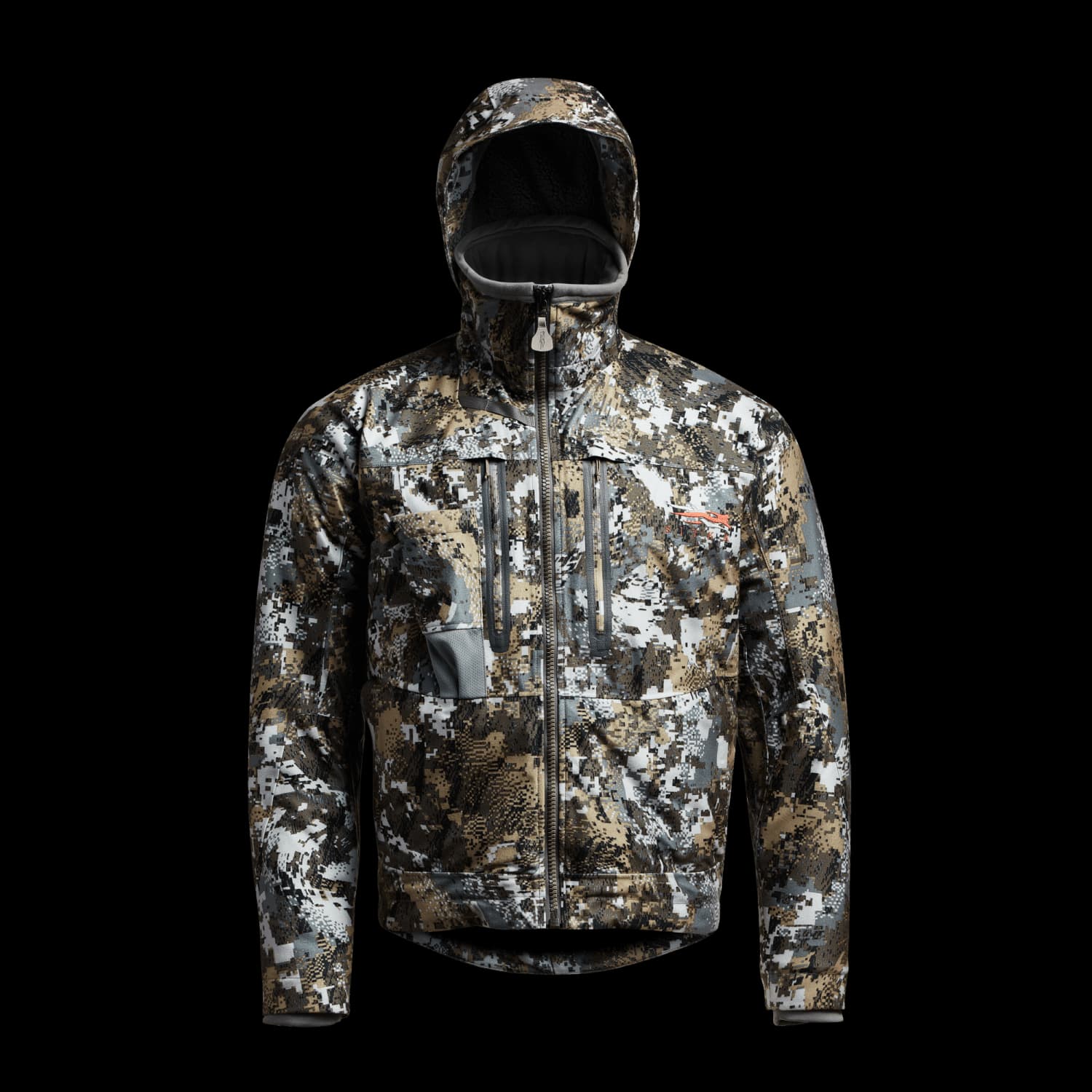
For those extra-early birds, pack a lightweight insulated layer to trap heat once you are set up at the stand. The first hour of the day is when temperatures are lowest and stillness and stealth are most critical. The Fanatic Jacket was made for these conditions. When the temperatures are frigid and stealth is critical, you want the warmest, quietest layer possible.
Whitetail Rut Hunting Tips
When hunting the rut, hunters should be prepared for extra-long sits. You rarely know when that big buck will walk by your stand. This means layering matters even more, as the day can warm up, winds can pick up, or wintry precipitation can blow in.
Layers are critical for long, static sits and unpredictable tracking or pack-out conditions.
Tips For Hunting Late-Season Whitetail Bucks
Cold weather and new food sources influence deer movement, especially as deer transition out of the rut. Field edges where the understory pops up quickly, and deer feel a sense of cover, are great places to watch for late-season buck movement.
The later in the season, the higher the likelihood of extremely cold sits. These scenarios are why we make jackets like the Fanatic. While hiking keeps your blood flowing and warm, only the best jackets can protect you from the bone-chilling cold of a late winter stand sit.
Public Land Whitetail Hunting Tips
The thing about public land is you’re sharing it with all types of users. From fellow hunters to recreationalists to permitted industry, there’s no telling what sights, sounds, and distractions you might encounter in the field.
The farther you hike from roadways and access points, the more likely you are to enjoy a hunt where all the variables are up to you and nature. The farther you hike, the more important a good layering system becomes. From preventing sweat on the hike in, to remaining comfortable in the stand for long hours before hiking out, every gear choice is amplified by distance and time.
Mountain Whitetail Hunting: Tackling Steep Terrain
Climbing steep hills and mountains causes you to work harder and sweat more, even on a short hike. Meanwhile, mountain weather can change quickly, making a versatile layering system essential.
As you climb to your glassing spot or the place you plan to hunt, you’ll want breathable, lightweight clothing. This keeps you from sweating excessively on your hike in. Once you’ve found the ideal location and cooled off (stopped sweating), add insulating and outer protective layers to stay warm and fight back against the elements.
Tips For Hunting Whitetail Deer In The Rain
Hunting whitetail deer in the rain can be highly productive. Rain can change deer movement patterns and create opportunities for hunters prepared to stay comfortable and concealed in wet conditions. Start by wearing quiet, waterproof layers that keep you dry on the hike without overheating. Bring extra layers for the sit, and make sure your waterproof gear works over your insulated layers.
Rain can muffle sound and reduce a deer’s ability to detect movement, giving hunters an advantage when moving into position. Focus on fresh tracks, trails, and areas that provide cover from heavy rain, as deer may alter their movement patterns in heavy storms or deep mud. When the rain lets up, be ready and in position, as deer often use the time after the rain as a critical feeding time.
When it comes to big hikes in heavy rain, you want waterproof gear. Water-resistant gear works for misty days, but waterproofing is essential to keep your base layers dry and prevent soggy, cold conditions once you're in the stand.
Tips For Ground Hunting Whitetail
Ground hunting whitetail deer is a challenging but effective alternative to hunting from a treestand, especially when you are deep in public land and can’t set up a tree stand. The key is to use natural cover and move deliberately.
Look for areas where thick vegetation or terrain can conceal you while still providing a clear view of the field or game trail. Move slowly when covering ground, and pause to check for deer after moving between cover. When you find a promising setup, settle in, stay patient, and let the terrain work in your favor. With careful preparation and an understanding of deer movement, ground hunting can put you in a great position for an ethical shot.
Because ground hunting entails even less built-in stealth, managing layers for sweat, movement, and camouflage is even more important than when tree stand hunting.
Whitetail Bow Hunting Tips
Bow hunting requires much closer range shots than rifle hunting. This amplifies every aspect of stealth and presentation, from noise and odor control to concealment camo. Bow hunting also involves an exaggerated drawing movement that can make or break an ethical shot. Rustling clothing cues deer onto a drawing hunter, which is the last thing you want when lining up for a shot.
Again, gear that lets you stay still in cold temperatures, hidden from deer eyesight, and silent from keen ears is critical to a successful harvest.
Whitetail Hunting Gear Checklist
Below you’ll find the Beau Martonik-approved SITKA whitetail hunting gear list.
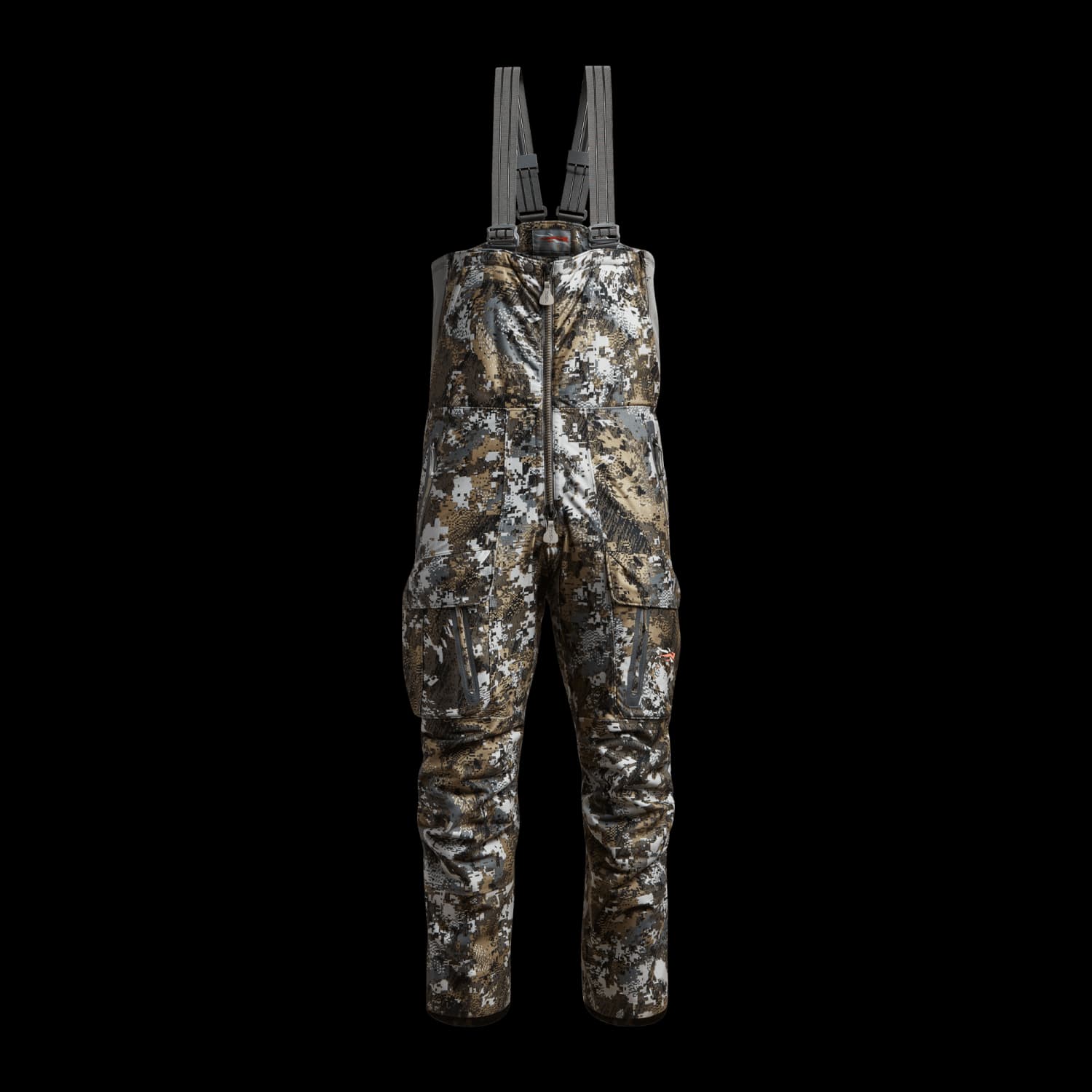
Always get the camo system best suited to the terrain you hunt with Off-season work gear
FAQs About Whitetail Deer Hunting
What's the best way to hunt whitetail deer?
The best way to hunt whitetail deer is the legal way you find most enjoyable. Ask this question to ten different hunters, and you’ll get ten different answers, but we can all agree on one thing: the more prepared you are, the better your hunt will be. From personal comfort to ethical harvest, the right gear, training, and knowledge go a long way. Test your gear before the day of your hunt, and practice shooting with your preferred tool as much as possible before the season opens.
What attracts whitetail deer the best?
Food attracts whitetail deer the best. The answer for the hunter is more complicated. Deer are always looking for safe places to eat, sleep, and drink. They have extremely keen senses to evade predators. Food sources near thick cover are great places to set up, while active attractants like antler rattles, auditory calls, and even doe estrus can increase your odds of bringing a curious buck in close.
Where is the best spot to aim on a whitetail deer?
The best spot to aim on a whitetail deer is just behind the front shoulder, about a ⅓ of the way up from the belly. This is where the heart is on a standing deer. Head, heart, and lung shots offer the fastest, most ethical aim points for whitetail. But to hit these targets, you need to know where they are. Study deer anatomy closely to learn more about shot placement, and understand how your preferred rifle or bow affects shot selection.
Sources & Further Reading

Stay Connected
Join our community.
Get the latest gear innovations, SITKA films, expert insights, and more delivered to your inbox.
By providing your email and clicking "Sign Up", you agree to receive marketing emails from SITKA GEAR. You can unsubscribe at any time by clicking the link in any email. For more details, see our Privacy Notice and Terms & Conditions