Built to Stop Bites: How We Lab Tested Equinox Guard
Category
Behind the Design
Read time
5 min
Last updated
Mar 26, 2026
SITKA released thousands of mosquitoes onto a blood-filled swatch to lab test Equinox Guard. See what stopped them cold.

We set out to design mosquito repellent clothing that could help protect hunters from bites and ticks in the field. That meant rigorous lab tests, involving releasing thousands of mosquitoes onto swatches of fabric placed over a live blood source, to measure true bite-through performance.
We also worked with textile experts at Gore and consulted with the U.S. Army’s Natick Soldier Systems Center, leaders in protective fabric testing.
This is how we engineered, tested and proved SITKA’s Equinox Guard —- a system designed to reduce bites.
Why Mosquito and Tick Protection Matters in the Field
Getting eaten alive by bugs can turn an otherwise great hunt into a miserable experience. But even more importantly, insects can carry a variety of infectious diseases, including Lyme disease, Alpha-gal, and Rocky Mountain spotted fever. In collaboration with Gore textile specialists, we sought new solutions to minimize the potential health risks.
“I don’t think many people realize how many diseases there are and what their prevalence is. There are 18 diseases just associated with ticks in North America.” - Karl Miller Emeritus Professor of Wildlife Management, University of Georgia
We knew that fabrics used in these products would have to balance a whole lot of priorities: ultra-lightweight, matte finish for concealment, breathability, plenty of stretch, the ability to be printed in GORE OPTIFADE™ concealment patterns, and finally, a tight-enough construction to block would-be bites from a wide variety of bugs. A big challenge with knit fabrics capable of stretching, is that as they stretch, the loops of the fabric open up and create potential entry points. This solution wouldn’t be easy to find.
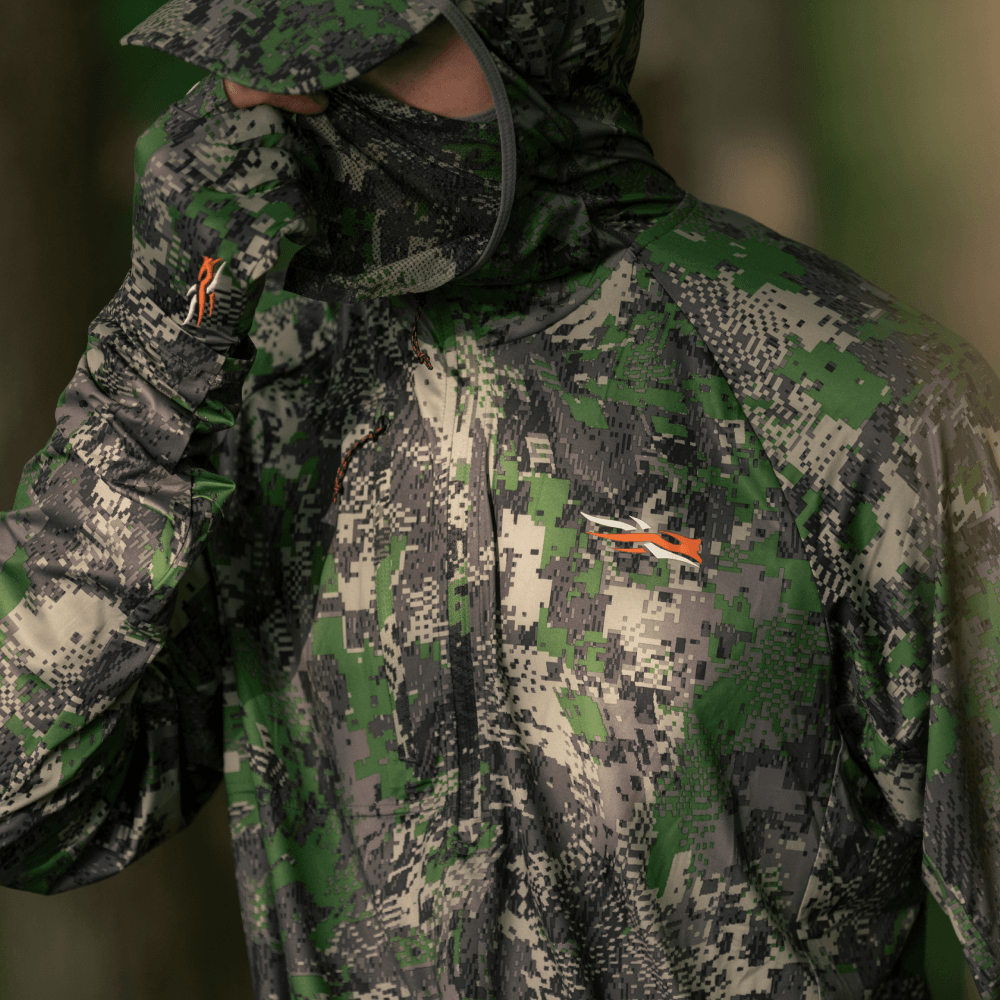
The Equinox Guard Hoodie in Optifade Cover
Designing Mosquito-Repellent Textiles That Perform
Christina Rapa, a textile specialist at Gore, searched the world over for fabric construction methods capable of meeting our goals.
“Could we find knitting machines with fine enough gauge and not compromise on the durability of the fabric?” she asked. “To top it off, printing on extremely lightweight and stretchy fabrics can be challenging in itself.”
The answer came when we found a particular type of knitting machine able to create precisely knit, high-gauge fabrics.
“We were able to develop a one-of-a-kind textile that passed all the testing without compromising on quality or color clarity,” Rapa says.
After consulting with the Natick Soldier Systems Center of the U.S. Army, we chose to add yet another layer of protection by including Insect Shield®, a knock-down tested EPA-registered permethrin treatment that so thoroughly bonds itself with the fibers of the fabric that it retains its effective insect repellency throughout the expected life of the product. The result is a highly unique and effective engineered fabric and chemically treated solution.
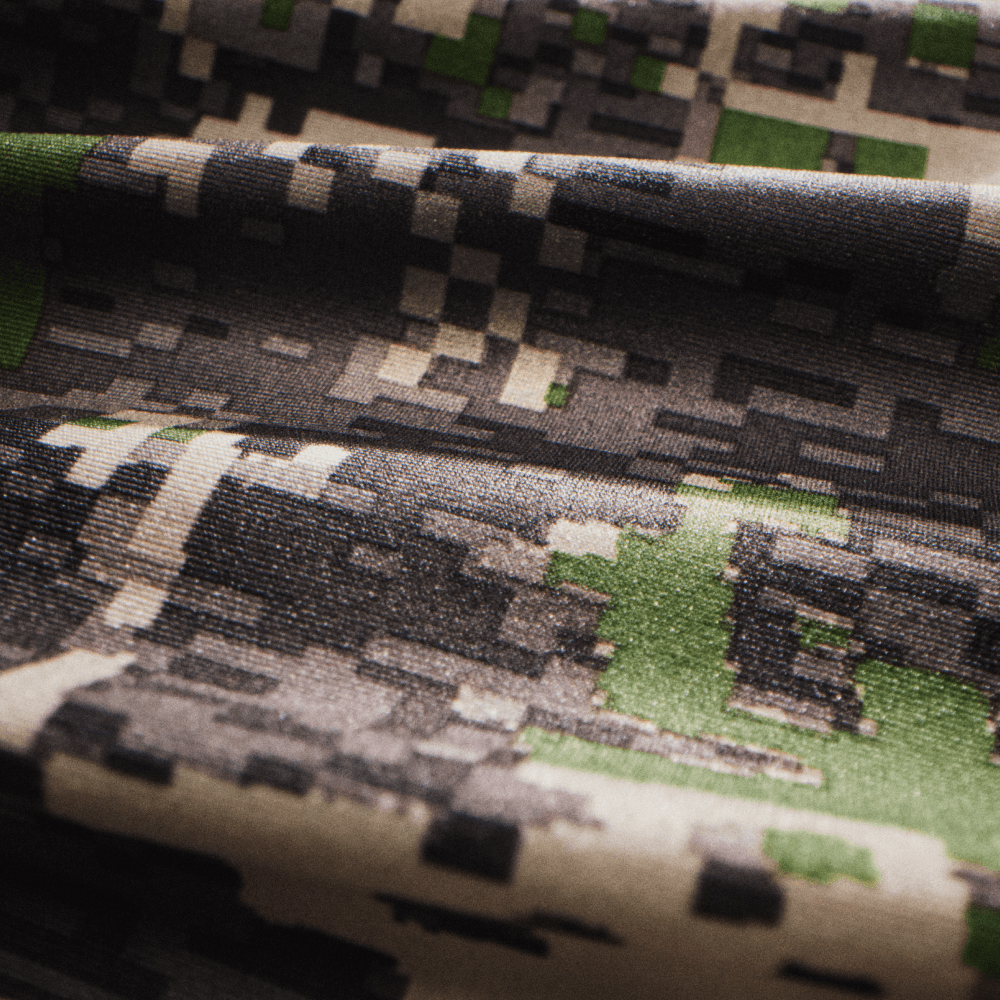
The Optifade Cover fabric that Equinox Guard products are available in
How We Lab-Tested Mosquito Bite Protection
In theory, we had checked all the boxes for a system dedicated to warm and insect-riddled hunts. For confirmation, we finalized the development with a “blood membrane” lab test that involved thousands of half-starved mosquitoes let loose at a swatch of fabric, behind which was their main food source, blood. Through other fabric types, the mosquitoes could easily feed, but through Equinox Guard fabric they had a drastically harder time piercing through.
“We put mosquitoes into a controlled environment with a heated blood membrane to measure how many could feed through the textile. This helped us to narrow down which textiles were most effective. We were able to reduce bites through the textiles significantly.” - Chris Derrick SITKA Product Line Manager
Unlike topical repellents, this testing measured whether mosquitoes could physically penetrate the fabric to reach skin.
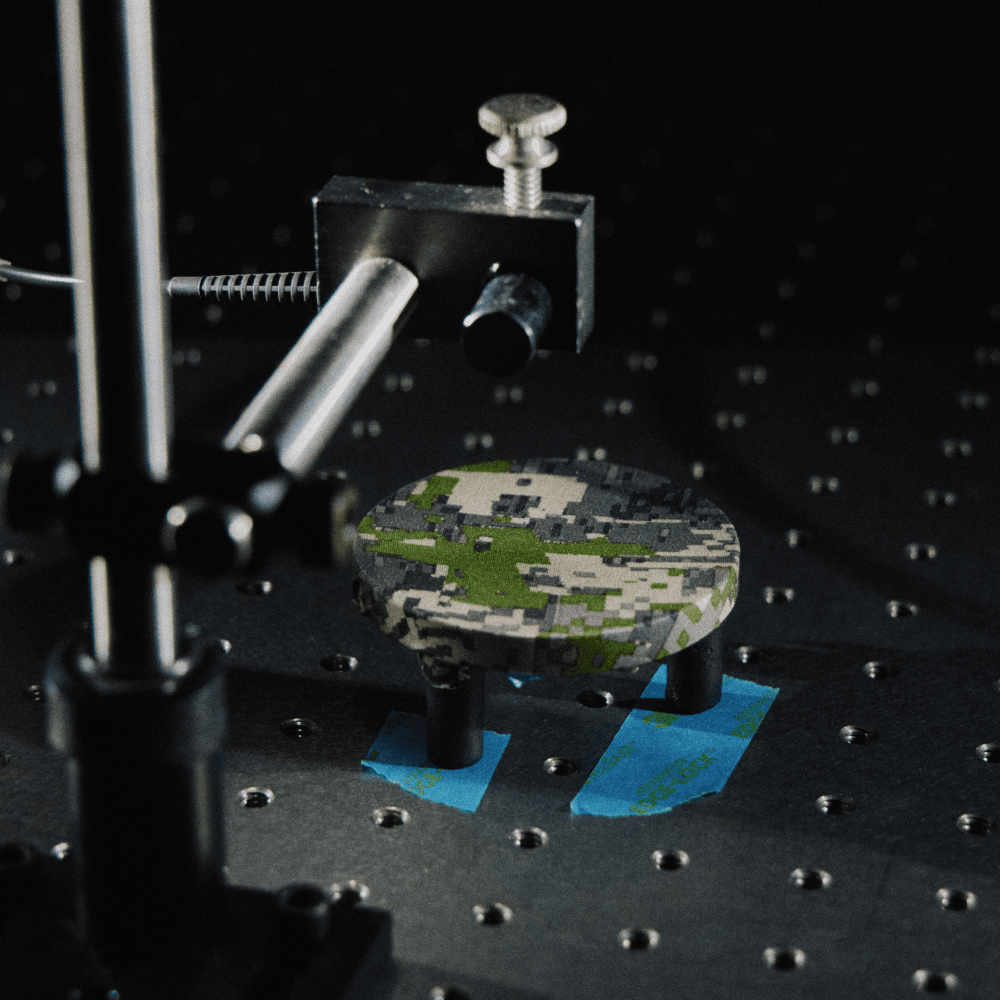
The SITKA Optifade cover being mosquito-tested in the lab
Field Testing in Real Hunting Conditions
We followed this lab testing with extensive field testing during warm-weather hunts by SITKA ambassadors, who even in steamy, mosquito-infested conditions in the South, were less susceptible to getting bit and avoided the stifling heat caused by thick and stuffy fabrics.
Equinox Guard: Mosquito-Repellent Hunting Clothing
This extensive testing culminated in the creation of our Equinox Guard Collection, a first-of-its-kind solution that protects you from head to toe in warm and buggy environments.
It greatly reduces ticks, mosquitoes, chiggers, and no-see-ums in a lightweight, breathable, stretchy, and quiet package. Most importantly, these products may help reduce the transmission of infectious diseases carried by these insects, not to mention the simple annoyance and distraction of insect bites.
Bug Proof Meets Camo
Our Equinox Guard gear has been central to hunters’ comfort across the country, and now, it’s wrapped in an Optifade pattern aptly suited for the seasons and regions that inevitably include humid hunts and run-ins with insects. Optifade Cover was engineered for total concealment under the canopy during greener seasons — -think early-season whitetail hunts east of the Mississippi and spring turkey shoots in warmer weather across a similar region.
A canopy dense with foliage and warmer weather mark these hunts and insect activity reaches consistent highs during these periods. Equinox Guard and Optifade Cover formulate a one-two punch of comfort and concealment in these seasons.
Next time you’re hunkered down in muggy, bug-infested territory, you’ll be able to hear the buzz but will be able to mitigate the bite and stay concealed.
”When SITKA does things like this, they get it right. They reach out to the experts in the field and listen to the science to make the end products that they are producing.” - Karl Miller, University of Georgia
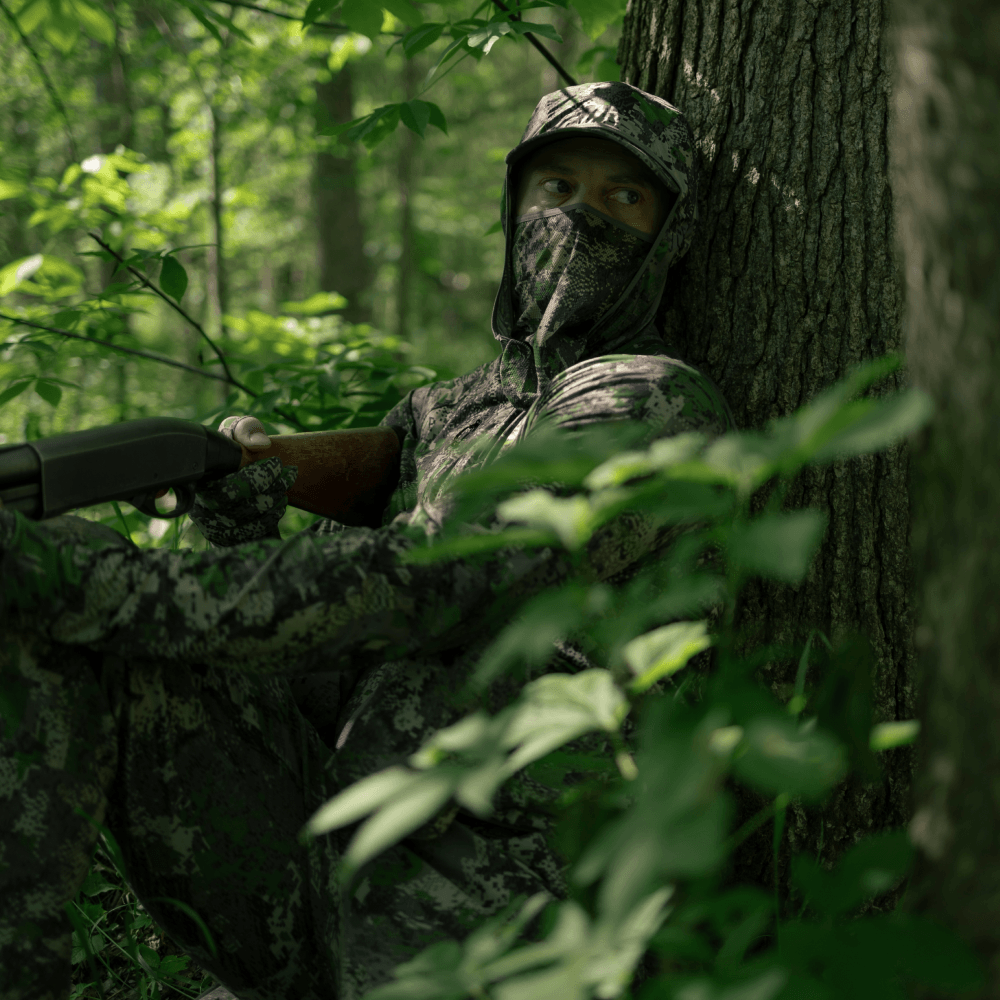
A hunter is camouflage and protected from mosquitoes wearing SITKA Equinox Guard in the field
SOURCES & FURTHER READING…

Stay Connected
Join our community.
Get the latest gear innovations, SITKA films, expert insights, and more delivered to your inbox.
By providing your email and clicking "Sign Up", you agree to receive marketing emails from SITKA GEAR. You can unsubscribe at any time by clicking the link in any email. For more details, see our Privacy Notice and Terms & Conditions