Cole Kramer: Kodiak Island Hunting Guide
Category
Beyond the Layers
Read time
5 min
Last updated
Jun 22, 2026
Pushing the limits of what’s possible in technical hunting gear is, and always will be, our core mission. But part of the essence of SITKA is in the people who test, abuse and demand the best from it in the real world: our Athletes.

Cole Kramer talks about becoming a Kodiak Island hunting guide—and why he’s sticking in Alaska for good.
Pushing the limits of what’s possible in technical hunting gear is, and always will be, our core mission. But part of the essence of SITKA is in the people who test, abuse and demand the best from it in the real world: our Athletes.
SITKA Athletes live remarkable lives, each with a unique story and a distinct philosophy forged by time in the field. We wanted to go deeper - into the mindset, the drive, the origin. Enter Beyond the Layers.
Go Beyond The Layers With Cole Kramer
Key takeaways:
Cole Kramer moved to Kodiak Island at 18 and has guided for the same outfitter for over a decade.
He guides brown bear, mountain goat, and Dall sheep hunts through Kramer's Kodiak Guide Service.
Kodiak mountain goat hunts are multi-day wilderness expeditions—mobile camp, days of glassing, no shortcuts.
Kodiak bears are among the largest in the world, and conditions can shift from clear to survival situations in minutes.
Kramer's gear has to perform across hard physical exertion, cold-rain glassing, and worst-case weather—often in the same day.
“As a guide, it’s a great feeling when you help show someone what they are capable of.” - Cole Kramer
Cole Kramer: From Kansas To Kodiak
The harsh, unforgiving terrain and weather of Kodiak Island, Alaska is exactly the environment Kramer was built for. But the story of how he got there starts a long way from Alaska.
Kramer grew up in Kansas. At 11 years old he made his first trip north—two weeks in July, fishing nonstop. Something clicked. His high school yearbook voted him ‘most likely to disappear.’ A week after graduation he had his first job as a packer on Kodiak. That was nearly 13 years ago. He still works for the same outfitter, Paul Sherack of Kramer's Kodiak Guide Service.
"Once you live in a place like Kodiak, it's really hard to go anywhere else," says Kramer. "The ocean, the views—it's no mystery once you come here why it's a great place to live."
What A Kodiak Island Mountain Goat Hunt Actually Looks Like
Cole's September mountain goat hunts on Kodiak Island are not day trips. A typical Kodiak goat hunt means going in deep—five to seven days of food on your back, a mobile camp and the patience to sit and watch goats for a day and a half or two days before making a move.
"We get prepared to go in pretty deep," he says. "We take camp on our backs. We're a mobile unit. Just a lot of patience sometimes—watching goats for a day and a half, two days, just waiting to strike. Getting down their patterns. Waiting for the right moment."
That kind of hunt demands more than physical fitness. It demands the right mental attitude - and the hunting gear to match it. As a guide, Kramer is direct about what he needs from the hunters who show up.
"It's important for them to know it's not going to be easy,” says Cole. “They need to have the drive and want to be successful."
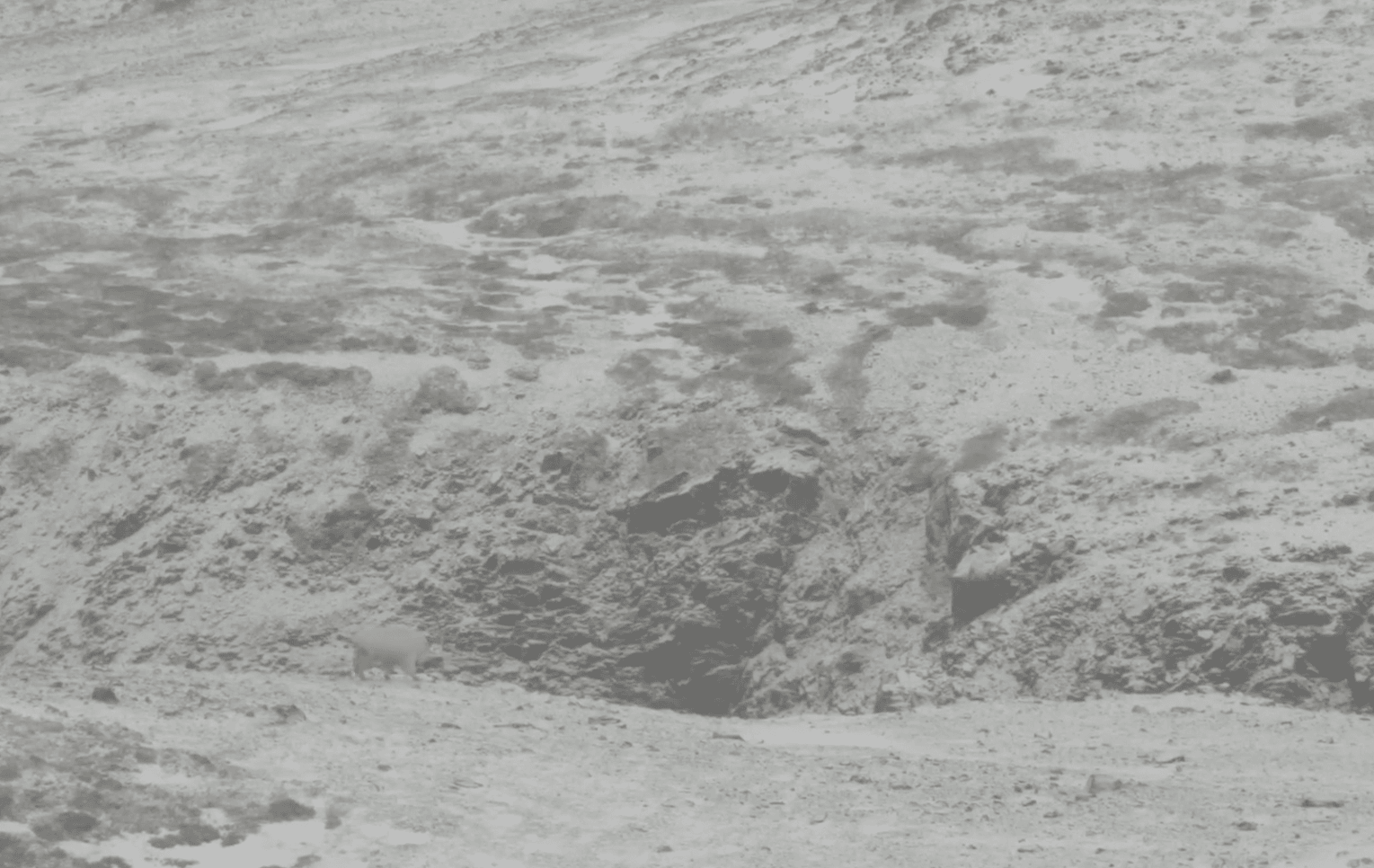
Mountain goat hunting in the snow on Kodiak island, Alaska.
Kodiak Bear Hunting & The Reality Of Alaskan Conditions
Kodiak Island is home to some of the largest brown bears in the world, and Kodiak bear hunting is among the most demanding and logistically complex hunts in North America. The island's terrain—dense alder thickets, steep drainages and coastal weather systems that can change in minutes—demands guides and hunters who are prepared.
"In a split second, it can turn from a great day into a horribly nasty, windy, snowy survival-type situation," says Kramer.
That reality shapes everything about how Cole guides—and everything about what he needs from his gear.
Extreme weather hunting gear must perform across many conditions:
physical exertion in thick coastal brush
static glassing sessions in cold rain
and genuine emergency scenarios, where staying dry and warm isn't a preference, it's survival
Read more about gearing up for success: How to build the right hunting cover system.
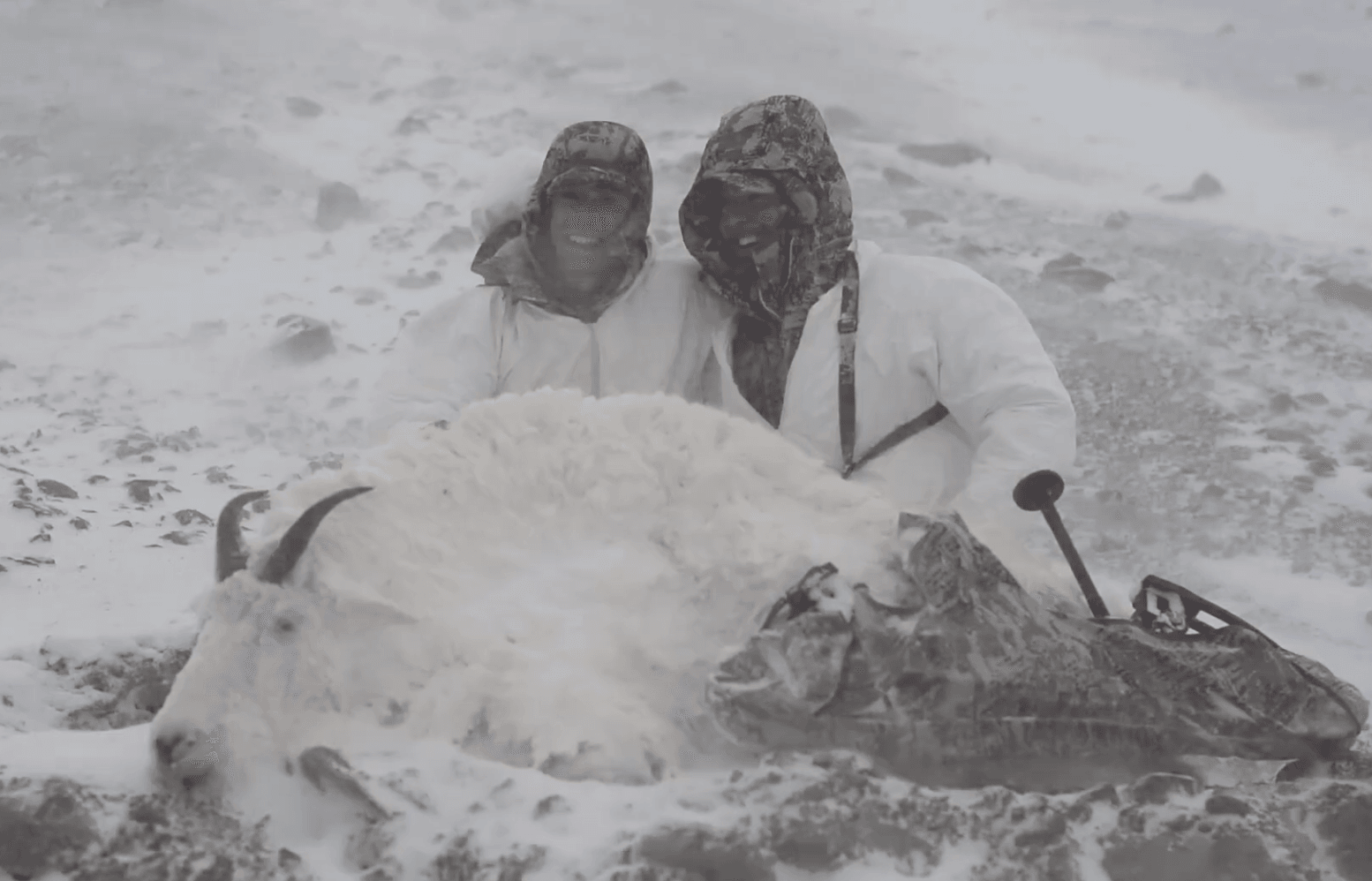
Two hunters braving the conditions on Kodiak island, Alaska.
Why The Hunt Changes You
One of the things Cole talks about most openly isn't the animals or the terrain - it's what happens between hunter and guide over the course of a 10-day wilderness hunt.
"You may not have even known that person before, but after a 10-day hunt, that person is a lifelong friend."
It's the kind of bond that only forms under pressure - shared exhaustion, shared patience, shared reward. For Cole, that moment when everything comes together is the core of what guiding means.
Cole Kramer & SITKA Gear
Kodiak Island hunting demands technical gear that performs at the margins, where the weather moves fast. It's the exact environment SITKA gear is built for.
"Guiding here on Kodiak and Alaska is definitely somewhere I plan on staying. It's my life."
Watch the full film above.
Sources & Further Reading
What’s the best hunting rain gear for Alaska?
The best hunting rain gear for Alaska is the SITKA Dew Point Jacket and pants. The Dew Point line is waterproof, breathable, and lightweight.
How much does it cost to go brown bear hunting in Alaska?
To go bear hunting in Alaska, it will cost you $25,000 to $55,000, depending on which region you want to hunt. The Alaska Peninsula, Kodiak Island, and Southeast Alaska are the best regions.
What can non-residents hunt in Alaska without a guide?
Non-residents can hunt moose and black bear in Alaska without a guide.
Is it illegal to shoot a brown bear in Alaska?
No, it is not illegal to shoot a brown bear in Alaska, as long as you have the proper licensing and follow the local regulations.
Can you hunt brown bears in Alaska without a guide?
To hunt brown bears in Alaska without a guide, one must be a resident with the proper licensing or be accompanied by an Alaska resident 19 years of age or older who is within the “second degree of kindred.”
What is the best month to visit Kodiak, Alaska?
The best months to visit Kodiak, Alaska are the summer months. May through September offers excellent temperatures and scenery.

Stay Connected
Join our community.
Get the latest gear innovations, SITKA films, expert insights, and more delivered to your inbox.
By providing your email and clicking "Sign Up", you agree to receive marketing emails from SITKA GEAR. You can unsubscribe at any time by clicking the link in any email. For more details, see our Privacy Notice and Terms & Conditions